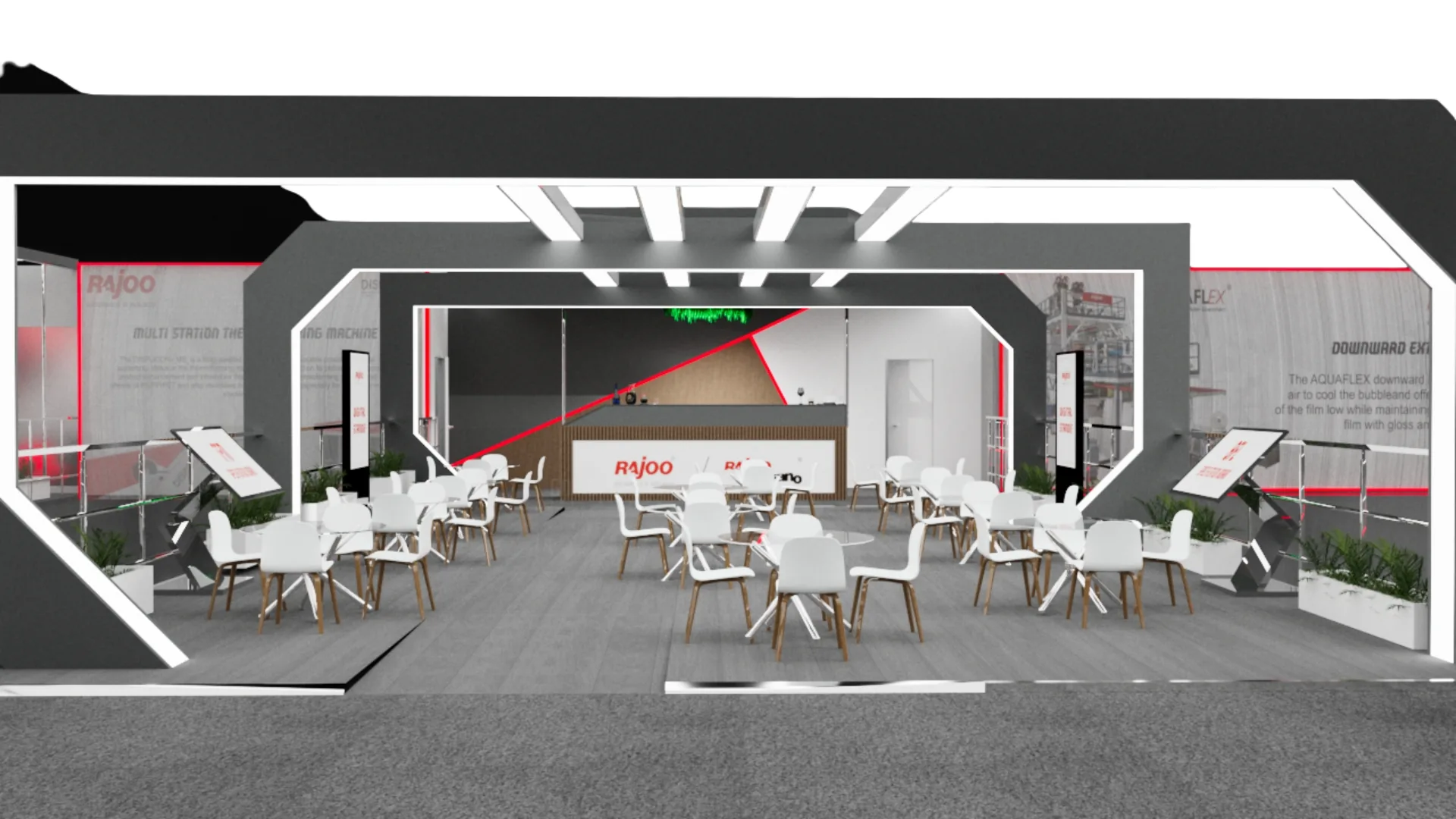
In a world obsessed with louder experiences, brighter visuals, larger structures, and constant stimulation, emptiness has quietly become one of the most powerful tools in experiential design. Not every space needs to shout to be remembered. Sometimes, the most unforgettable environments are the ones that pause. The ones that breathe.
Because emptiness is never truly empty. It carries tension. Curiosity. Anticipation. Stillness. Emotion waiting to happen. This is the psychology of empty spaces. Modern exhibitions and events often compete for attention through overload. But the human mind does something interesting in spaces designed with restraint. It slows down.
Silence As A Design Element
Negative space creates pause. Minimal environments remove distraction. Silence heightens awareness. A single illuminated object inside an open environment suddenly feels important. The audience stops consuming the space passively. They begin experiencing it consciously. Silence inside an event space can feel almost uncomfortable at first, but it has psychological weight. It gives audiences a moment to absorb rather than react instantly.
At Going Highway Entertainers, we believe powerful experiential design is not always about adding more. Sometimes, it is about understanding what to remove. People may forget crowded visuals and overflowing information. But they rarely forget the feeling of standing inside a space that made them pause. And perhaps that is the true power of empty spaces. Not what they contain. But what they allow people to feel.