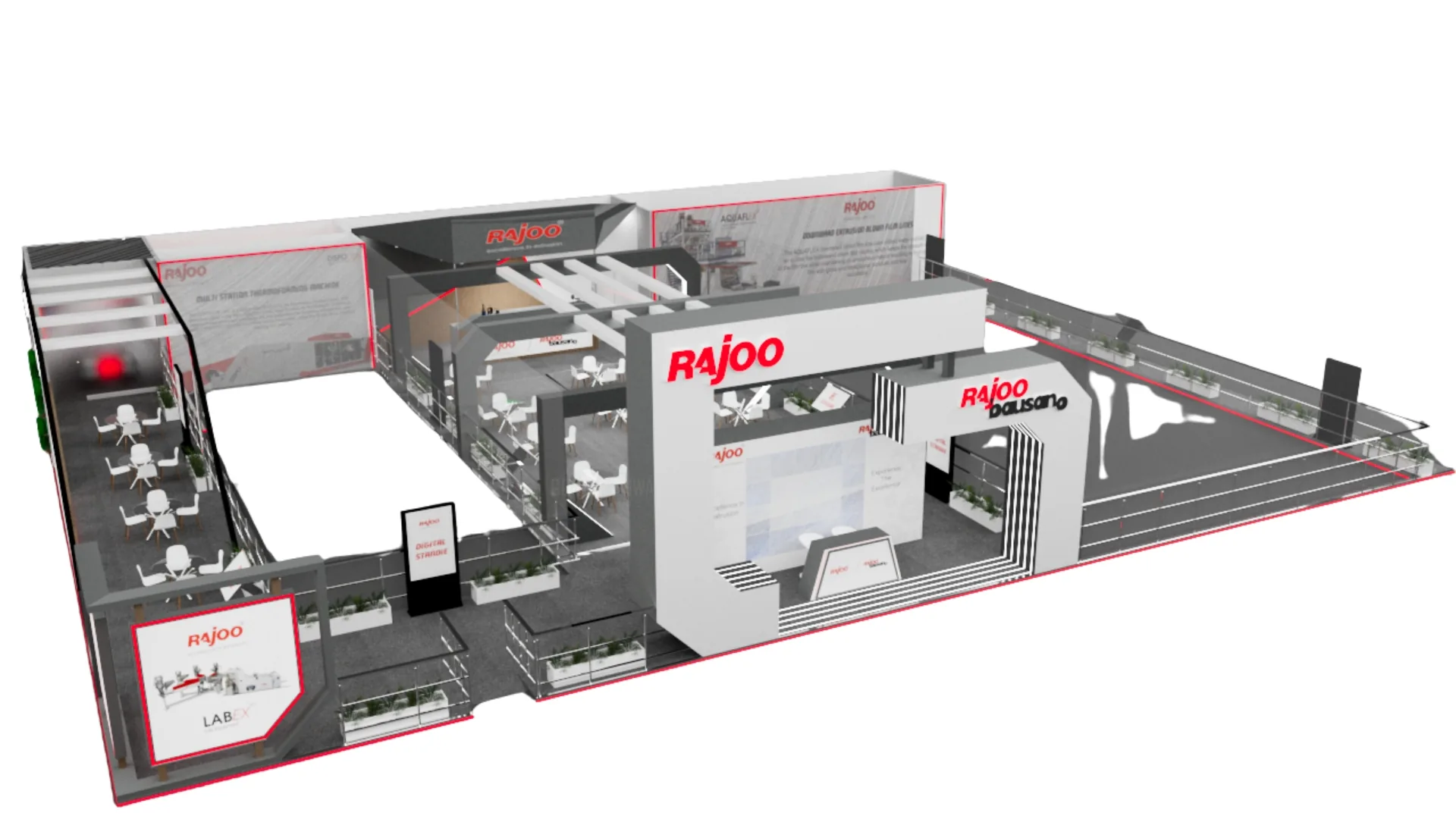
At modern events and exhibitions, audiences no longer just attend spaces. They document them, share them, repost them, and turn them into digital conversations. This shift has created an entirely new content economy driven by experiential art. Today, immersive installations are no longer just decorative elements within events. They have become engines of organic content creation. Across Europe, the UK, the USA, the Middle East, and Asia, brands are investing in visual experiences designed not only for physical audiences, but also for digital visibility. A powerful installation now travels far beyond the venue itself through reels, stories, photographs, and audience generated content.
This is changing the role of art inside experiential spaces. Interactive sculptures, kinetic lighting, surreal environments, projection mapping, immersive tunnels, and sensory installations are becoming central to event storytelling. The objective is no longer only to impress visitors standing inside the space. It is to create moments people instinctively want to capture and share. The psychology behind this is simple. People share experiences that make them feel wonder, curiosity, emotion, or surprise. Traditional branding rarely creates that response on its own. Experiential art does. This is why modern exhibitions and events are shifting towards environments that feel cinematic and emotionally immersive. Brands are understanding that the audience itself has become the most powerful media channel.
A single immersive installation can generate thousands of organic impressions across social platforms within hours. Not through advertisements, but through genuine audience interaction. The most successful experiential spaces today are designed with dual impact in mind. Physical immersion for the visitor. Digital storytelling for the online audience. This does not mean events are becoming artificial content factories. In fact, the opposite is happening. Audiences are moving away from staged experiences and seeking authenticity. They engage more deeply with spaces that feel emotionally real, artistically bold, and naturally interactive.