The Intersection of Art, Content, Technology, and Human Psychology
They look for atmosphere. For interaction. For emotional energy. For moments that feel worth remembering and worth sharing.
This is why brand experiences today demand far more than technical execution alone.
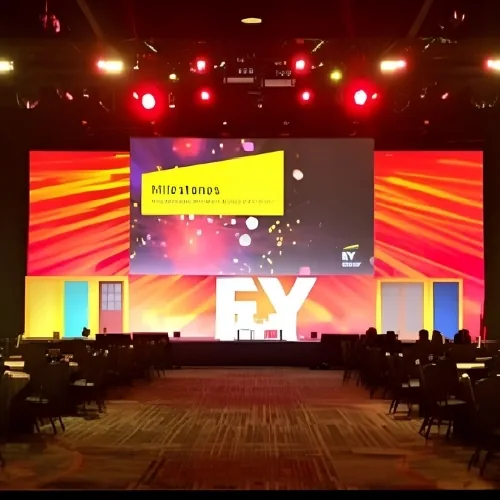
An exhibition stand is no longer just a structure. A launch event is no longer just a gathering. Every physical environment now competes for attention inside a world shaped by cinema, digital culture, immersive entertainment, social media, architecture, and constantly evolving human behaviour.
Which means experiential marketing studios must think beyond production.
Art creates emotional identity inside a space. Technology shapes immersion and interaction. Content extends the life of an experience far beyond the venue itself. Psychology influences how people move, respond, pause, engage, and remember.
None of these disciplines can operate independently anymore.
The strongest experiential environments today are built through collaboration between multiple forms of intelligence simultaneously. A beautifully designed space without emotional storytelling feels empty. Advanced technology without atmosphere feels mechanical. Strong visuals without audience understanding become temporary spectacle.
Modern experiences succeed when every layer works together naturally.
This evolution is changing the role of experiential marketing itself. Studios today increasingly function as multidisciplinary ecosystems where strategy, culture, design, media, logistics, technology, and storytelling merge into one connected experience framework.
Because audiences no longer separate what they see from what they feel.
TThey remember the entire emotional architecture of the experience as one unified memory.
Pushyamitra Jha
Creative Head at Going Highway Entertainers, shaping the vision behind its large-scale live experiences.