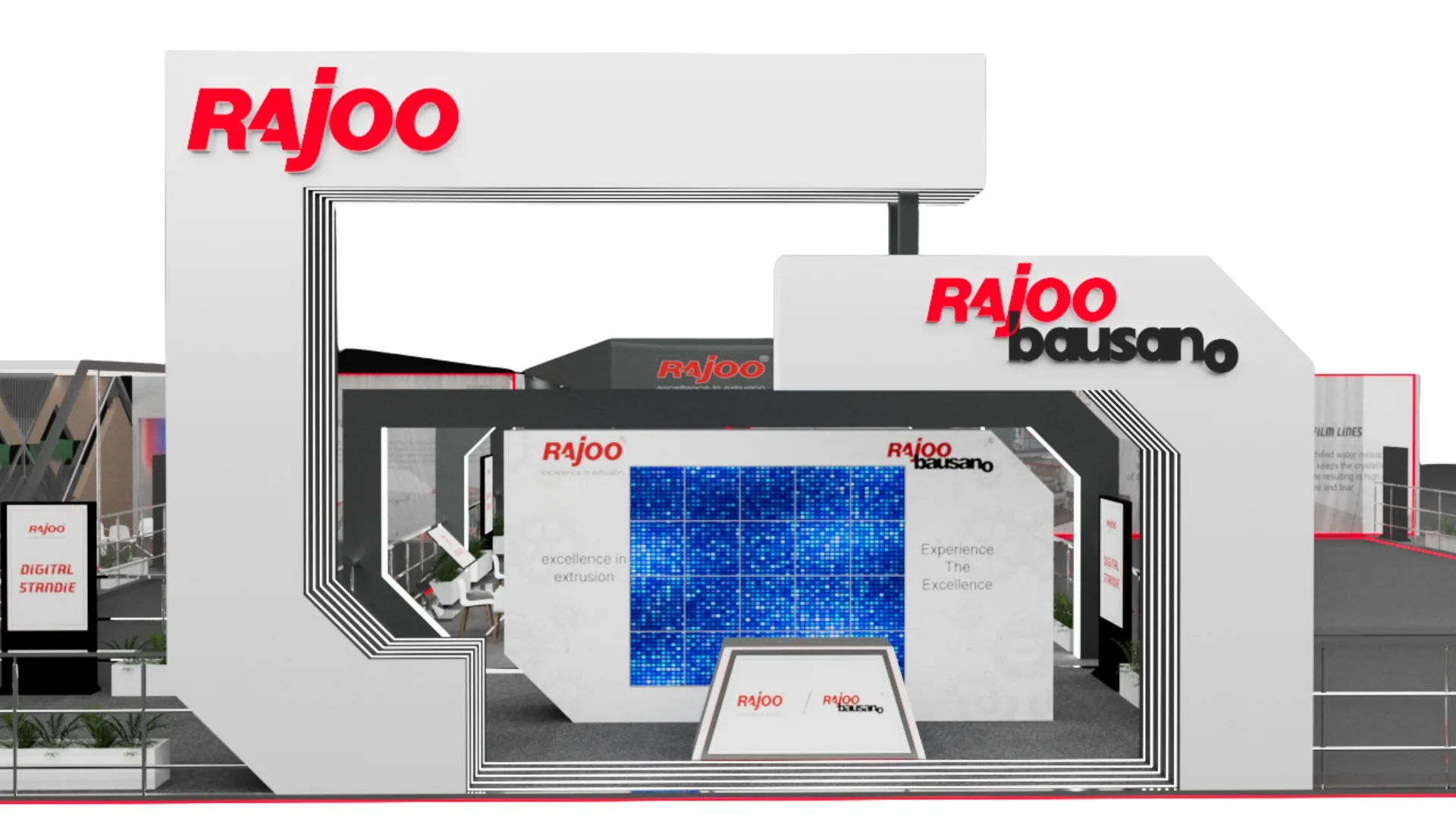
How perceptual art and spatial psychology are transforming environments into emotional experiences.
Designing the Invisible
Physical structures dictate where people walk, but spatial psychology dictates how they feel. The Architecture of Illusion refers to the sophisticated blending of lighting, mirrors, projection, and geometry to make spaces feel larger, infinite, or completely detached from their actual physical boundaries.
In experiential marketing, the ability to warp a visitor's perception is a powerful tool. A tunnel lined with synchronized LED panels can make a 10-foot walk feel like a journey through deep space. Forced perspective and anamorphic displays can make flat walls appear as deep, three-dimensional caverns containing a brand's product.
We apply these principles to break audiences out of their default reality. By using the architecture of illusion, we create environments that command absolute attention, forcing attendees to stop, engage, and wonder how the experience was even built.