Designing for Screens vs. Designing for Reality
As a UI/UX and graphic designer, I always believed the strongest part of design was the thinking process - research, systems, visual storytelling, user psychology, and building meaningful experiences through structured creativity. Design school teaches you to think deeply before executing. You research, ideate, prototype, refine, and then deliver.
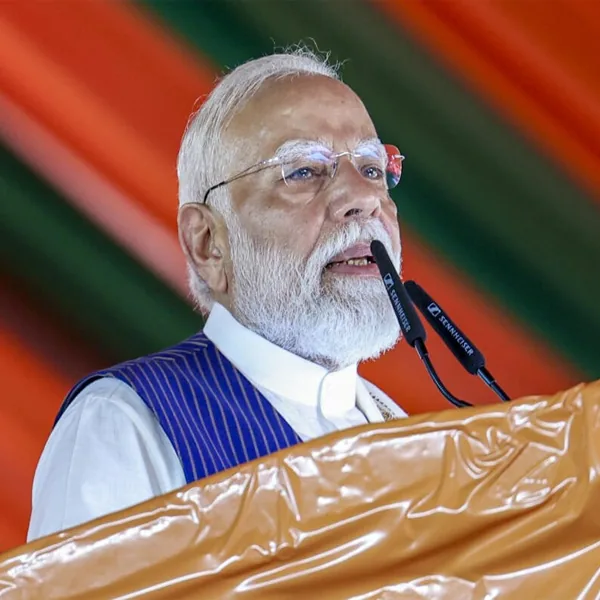
But my first experience working on a Prime Minister-level event completely changed my understanding of what design truly means in high-pressure environments.
The Ecosystem of Real-Time Execution
For the first time, I experienced what it feels like to work inside an ecosystem where timelines move faster than the design process itself. Briefs evolved continuously. Instructions changed in real time. Visual directions shifted overnight. Multiple stakeholders had different expectations simultaneously, and many times, the brief itself was still being shaped while the execution had already begun.
Initially, it felt chaotic. As designers, we naturally search for clarity before creation. We want structure before systems. We want complete research before execution. But live events - especially government and large-scale public initiatives - rarely operate in perfect clarity.

"Design thinking is important. But execution speed is what defines your value."
Listening as a Problem Solver
At a PM-level event, the scale itself changes the way you work. Every design element becomes part of a larger operational system. Graphics are not isolated visuals anymore - they become communication tools integrated across stage screens, branding panels, digital media, social content, presentations, print assets, and live audience experiences.
One of the biggest lessons I learned during this process was the importance of listening. Not just listening as a designer - but listening as a problem solver. Government officials and stakeholders often communicate requirements from an operational or functional perspective rather than a purely creative one.
Understanding the intent behind their words became more important than simply following the brief literally. Sometimes a five-minute conversation with an official revealed more insight than hours of visual references or moodboard research. That changed the way I approached briefs entirely.
The New Creative Professional
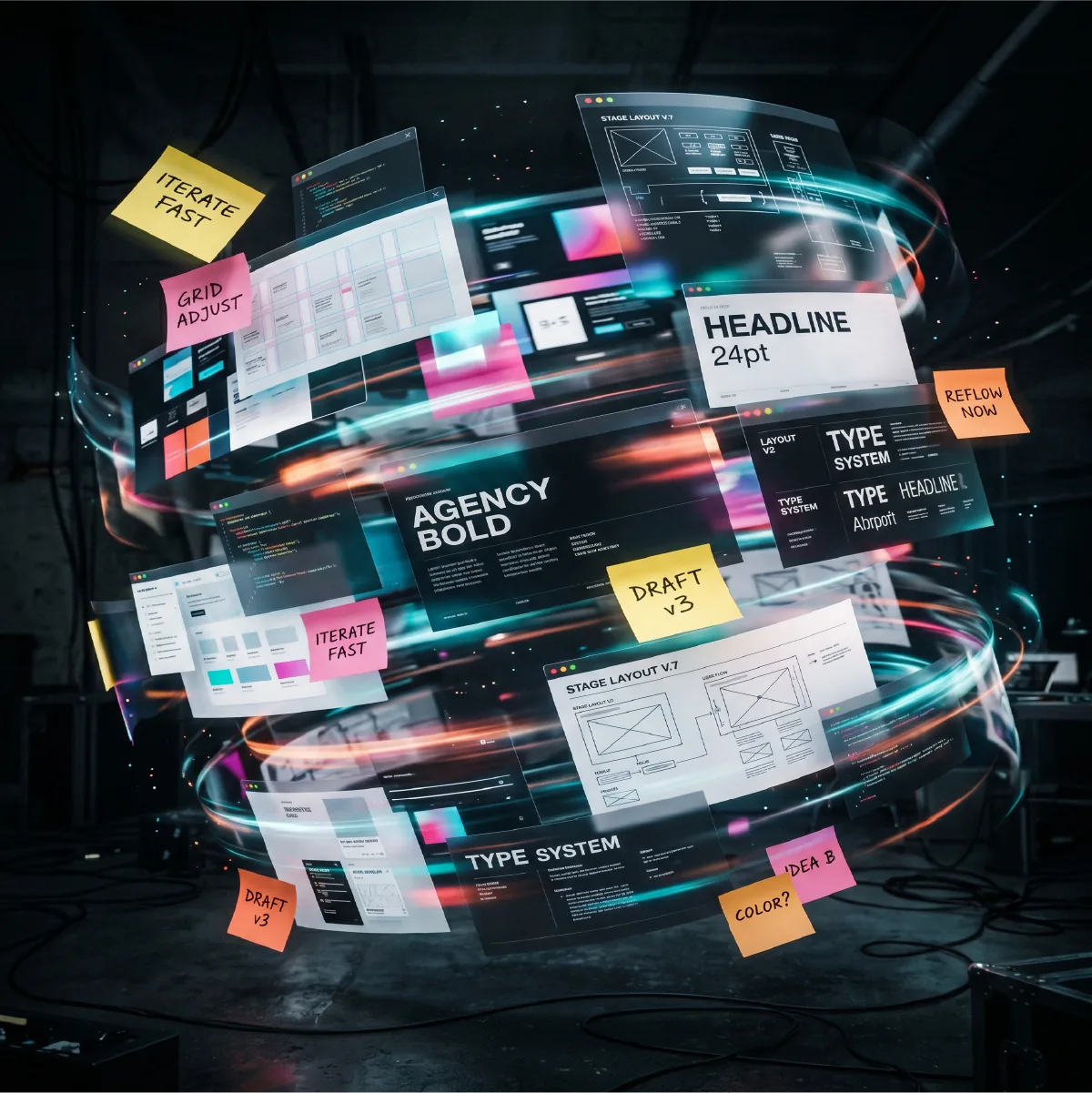
This experience also reshaped my perspective on revisions and iterations. In personal projects or academic environments, revisions often feel like disruptions to creativity. But in the live events industry, iteration is the workflow itself. Changes are constant because the environment itself is dynamic. Priorities evolve, approvals shift, operational realities emerge, and execution teams adapt continuously.
Working through that pressure made me faster, sharper, and more practical as a designer. I stopped seeing design as a static output and started seeing it as a live process - one that evolves alongside execution.
Because in high-scale experiential environments, the best designers are not the ones who simply create beautiful work. They are the ones who can:
- Think clearly under pressure
- Adapt instantly to change
- Understand stakeholder intent
- Execute rapidly without compromising quality
- Deliver consistently in real time
Today, I still believe design thinking is the foundation of meaningful creative work. But now I understand that execution is what brings that thinking to life. And in the world of live experiences and event execution, speed, clarity, communication, and adaptability are what truly separate a designer from a professional creative problem solver.
Pushyamitra Jha
Creative Head at Going Highway Entertainers, shaping the vision behind its large-scale live experiences.