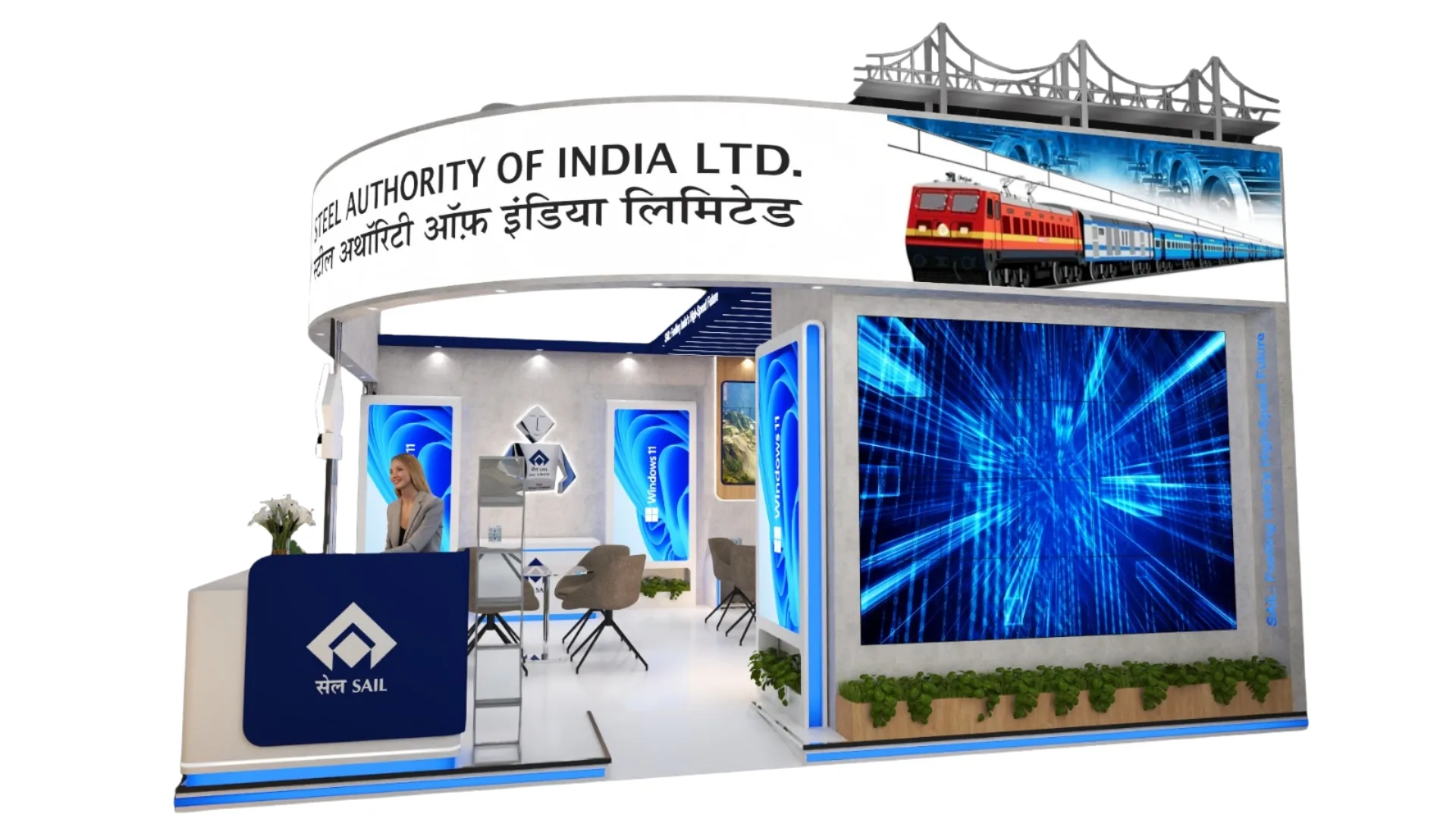
Attendance Is Not an Outcome. It Is a Starting Point.
The crowd showed up. The venue was at capacity. The social feed looked impressive for 48 hours.
And then the quarter closed, and the CFO asked a simple question: what did we get from it?
The silence that followed that question is costing brands millions every year - not because events don't work, but because most events are designed to be witnessed, not to perform. There is a fundamental difference between an event that fills a room and an event that moves a business forward. The sooner that distinction lives at the centre of your event brief, the sooner your events stop being cost items and start behaving like strategic investments.
The Vanity Metric Problem
The event industry has a measurement addiction - and it is measuring the wrong things.
Footfall numbers, social impressions, reach metrics, peak concurrent viewers on a livestream: these are outputs, not outcomes. They tell you how many people were present. They tell you nothing about what those people thought, decided, or did as a result.
The problem begins in the brief. Most event KPIs are written around scale - how many attendees, how wide the coverage, how loud the buzz. These targets are easy to hit and easy to report. They are also almost entirely disconnected from what the business actually needs from the event.
This is not a production failure. The event team delivered exactly what they were asked for. It is a strategic failure - the failure to ask a harder, more important question before the design process begins: what specific business result does this event need to produce?
When that question goes unanswered, attendance becomes the default metric. And attendance, on its own, is a vanity number dressed as a result.
The Reframe: Events as Revenue Architecture
The shift required is not cosmetic. It is structural.
An ROI-driven event is not simply an event with a survey at the end or a QR code on the wall. It is an event where every element - the guest list, the format, the flow, the content, the environment, the follow-up - has been engineered around a specific, measurable business outcome from the very beginning.
Think of it this way: a well-designed marketing campaign does not just generate impressions. It is built around a conversion funnel, with defined stages, tracked behaviours, and a clear metric that signals success. An event, when designed correctly, is the most powerful node in that funnel. It compresses time, creates trust, and manufactures memory in ways no digital channel can replicate.
The question is not whether events can deliver ROI. They can - and they do, for the brands that treat them like the strategic instruments they are.
The Framework: ROI-Driven Event Design
1. Define the Business Objective - What outcome actually matters?
ROI-driven event design begins with a single discipline: specificity.
Before any brief is written, any venue is shortlisted, or any creative concept is considered, the business objective must be defined in terms that can be measured. Not "increase brand awareness" - but "generate 60 qualified sales conversations with procurement leads from the retail sector within a single afternoon." Not "engage our clients" - but "re-activate 30 dormant accounts by demonstrating our new product capability in a high-trust environment."
This precision changes everything downstream. It determines who gets invited, what the experience is designed to make them feel and do, and what post-event actions are tracked. Without it, every subsequent decision is made in the dark.
2. Identify the High-Value Audience - Who actually moves the needle?
Attendance targets create a gravitational pull toward volume. ROI targets create a pull toward relevance.
An ROI-driven event design process begins by identifying the specific segment of the audience whose decision, action, or shift in perception will directly produce the desired business outcome. These are your high-value attendees - and they may represent 20% of your total guest list while accounting for 80% of your potential return.
Once identified, everything about the event - the format, the content register, the conversation design, the environment - should be calibrated to earn the trust and engagement of that segment. The rest of the audience supports the room. The high-value segment drives the result.
3. Design Intentional Experiences - What should they feel, do, and decide?
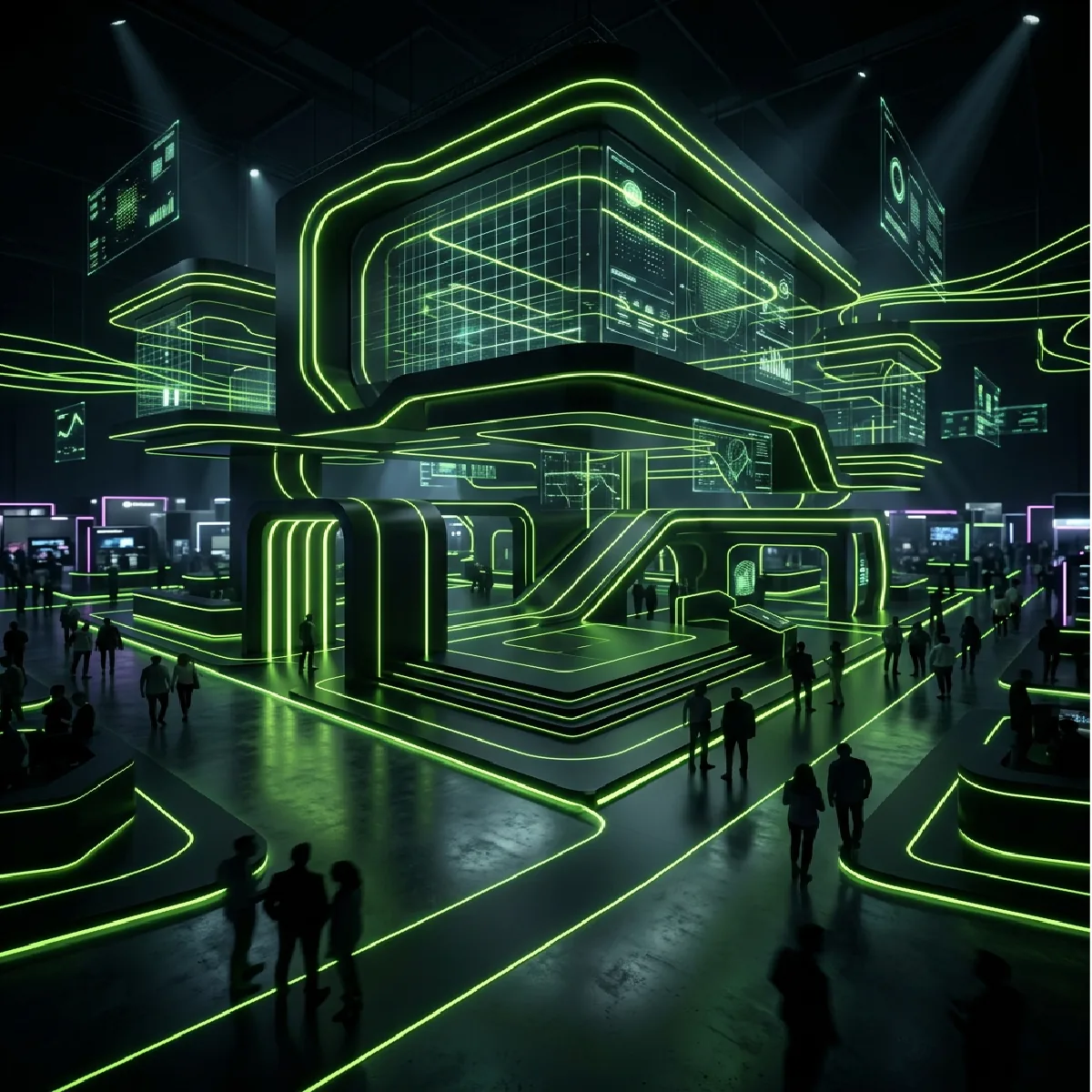
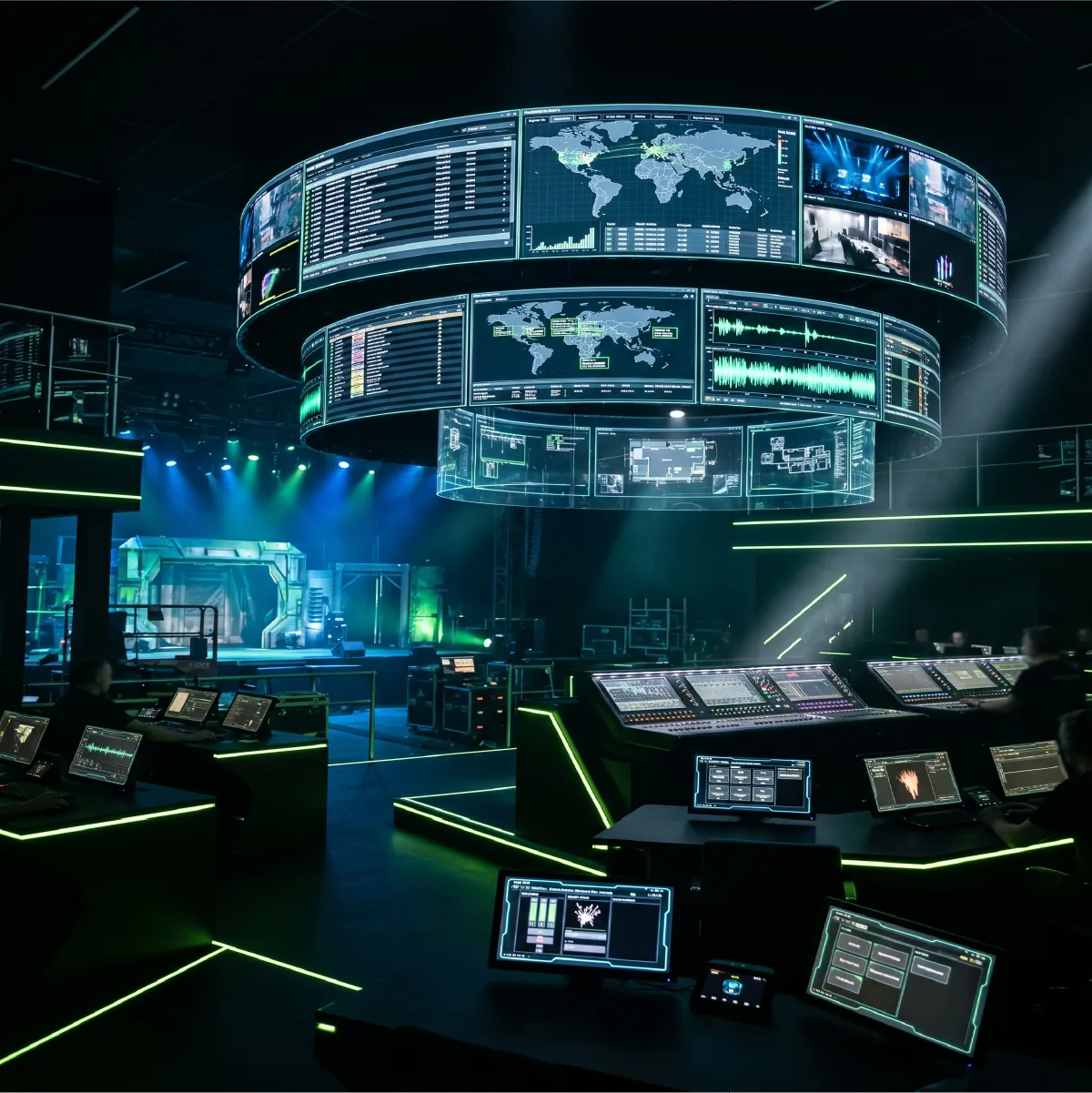
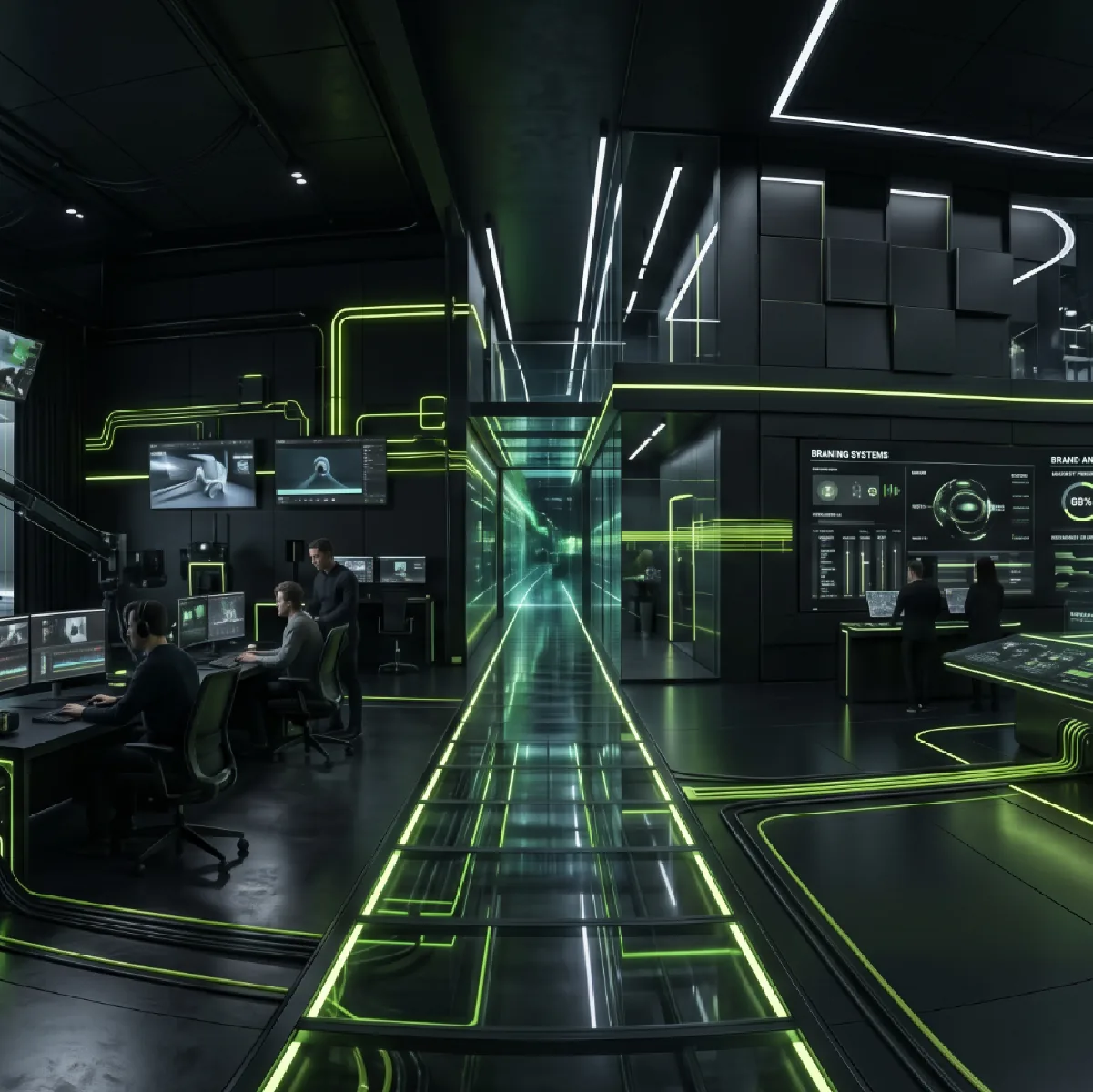
Intentional experience design is the practice of mapping desired audience behaviours to specific event moments - and then designing those moments with precision.
If the objective is to shift brand perception from vendor to strategic partner, the experience must be designed to demonstrate that positioning, not just claim it. This might mean replacing a product keynote with a facilitated insight session where the brand's thinking is on display. It might mean replacing a networking cocktail hour with structured conversations around a challenge the audience actually cares about.
Every touchpoint - from the physical environment to the content format to the nature of the interactions - is either reinforcing your objective or diluting it. There is no neutral design. Every choice is a signal.
4. Engagement & Capture Strategy - How do we collect meaningful data?
Engagement without capture is a missed conversion. Every meaningful interaction at an event is a data point - and most events let that data evaporate.
A strategic capture architecture maps the points of highest engagement to deliberate collection mechanisms: digital interaction touchpoints that record interest signals, conversation frameworks that qualify attendees in real time, structured activations that reveal intent. This is not about surveillance or aggressive sales tactics. It is about building a system that transforms genuine engagement into usable intelligence.
The capture strategy should be invisible to the attendee and indispensable to the business. When it is designed well, it feels like a natural extension of the experience - not a checkpoint.
5. Measurement & ROI Tracking - How do we quantify what happened?
Measurement begins before the event opens, not after it closes.
An ROI framework for events should define its success metrics at the brief stage: the number of qualified leads generated, the percentage of high-value attendees who progressed to a next commercial stage, the measurable shift in brand perception scores before and after, the revenue directly attributed to event-initiated conversations within a defined window.
Post-event, these metrics are tracked against baseline. The result is a report that answers the CFO's question - not with impressions and footfall, but with pipeline, progression, and performance.
From Volume to Value: A Scenario Worth Examining
A financial services firm holds its annual client conference - 800 attendees, a full-day programme, a prominent keynote speaker. The post-event report shows strong attendance, positive feedback scores, and broad social coverage. By conventional measures, it was a success.
The following year, the brief is rewritten around a single objective: deepen commercial relationships with the firm's top 80 clients and generate at least 40 new conversations about their expanded advisory offering.
The format shifts entirely. Three intimate roundtables replace the large-format conference. Each session is hosted by a senior partner, structured around a specific challenge relevant to that group, and attended by no more than 25 people. The content is co-created with selected clients in advance, making them invested participants rather than passive audience members.
The "attendance" drops by 90%. The qualified commercial conversations increase by 300%. Three new mandates are initiated within six weeks of the event.
The room got smaller. The return got larger. That is what happens when strategy replaces spectacle.
The Technology Layer: Turning Events Into Data Engines
The infrastructure now exists to make physical events as analytically rich as a digital campaign - provided that infrastructure is embedded in the design from the outset, not added as an afterthought.
Smart badge and QR interaction systems can map attendee journeys through an event, identifying which activations, sessions, or touchpoints generated the deepest engagement. Event apps can capture real-time interest signals and feed them directly into CRM pipelines, allowing sales teams to enter post-event conversations with full context. AI-driven sentiment analysis tools can synthesise attendee feedback at scale, surfacing patterns that manual review would miss. Hybrid event platforms, meanwhile, extend the data capture layer beyond the physical room - creating a single analytics view across in-person and digital audiences.
The critical point is this: technology does not improve a poorly-conceived event. It amplifies whatever is already there. Used within a strategic framework, however, event technology transforms a single-day activation into a data asset - one that informs not just post-event reporting, but the brief for the next one.
Key Takeaways
- Attendance vs Outcome: Attendance is an input metric, not an outcome metric. Building an event brief around footfall is building around the wrong objective.
- Define the Objective: ROI-driven event design begins with a specific, measurable business objective - not a theme, a budget, or a venue.
- High-Value Audience: Identification is more important than guest list volume. The 20% of attendees who can move your business forward deserve 80% of the design thinking.
- Intentional Touchpoints: Experience design is the architecture of emotion across a timeline - every touchpoint is intentional or it is wasted.
- Personalised Relevance: Engagement strategy should create personalised relevance, not passive spectatorship.
- Built-In Measurement: Conversion mechanics and measurement criteria must be designed into the event, not appended to the debrief.
- Tech as an Amplifier: Technology amplifies strategy. Without the strategy layer, it only amplifies noise.
- Sharper is Better: Smaller, sharper, and more intentional almost always outperforms larger, louder, and more general.
The Closing Argument
Events are not line items. They are moments where your brand is physically, emotionally, and commercially present with the people who matter most to your business. That is an extraordinary opportunity - and an extraordinary responsibility.
The brands that understand this stop asking their event partners "what can you produce?" and start asking "what should we achieve?"
That is the conversation we are built for.
Prashun Jha
Event manager at Going Highway, obsessed with flawless execution and the details audiences never forget.