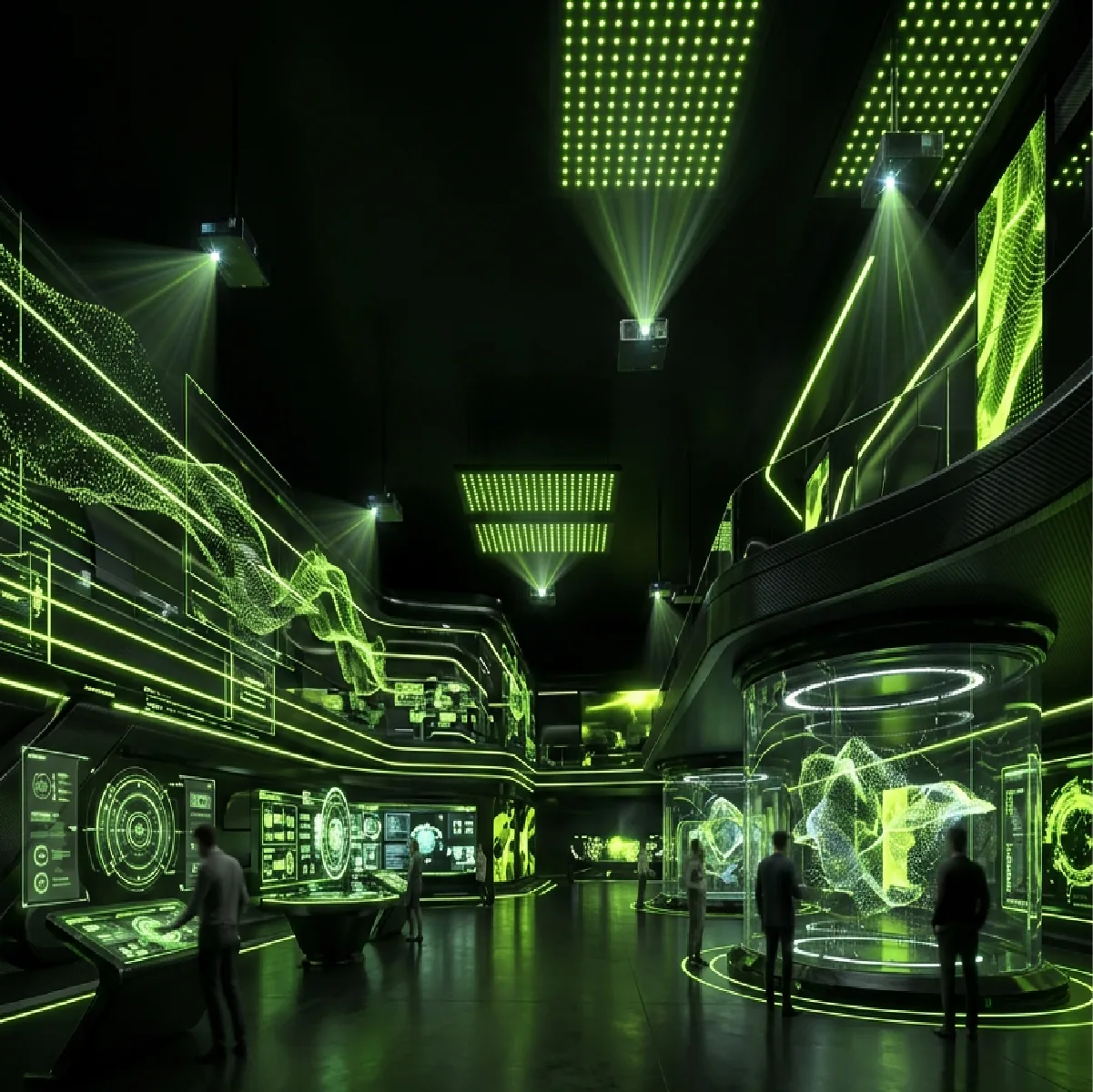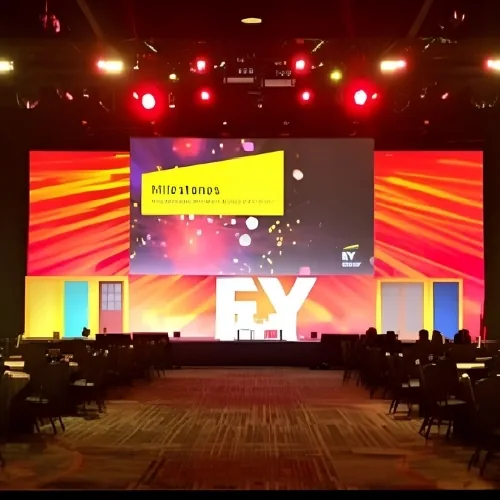
Why Modern Brand Experiences Need More Than Event Execution
The modern audience does not walk into an experience looking only for information.
Exploring the intersection of high-stakes engineering and immersive brand storytelling.
The modern audience does not walk into an experience looking only for information.
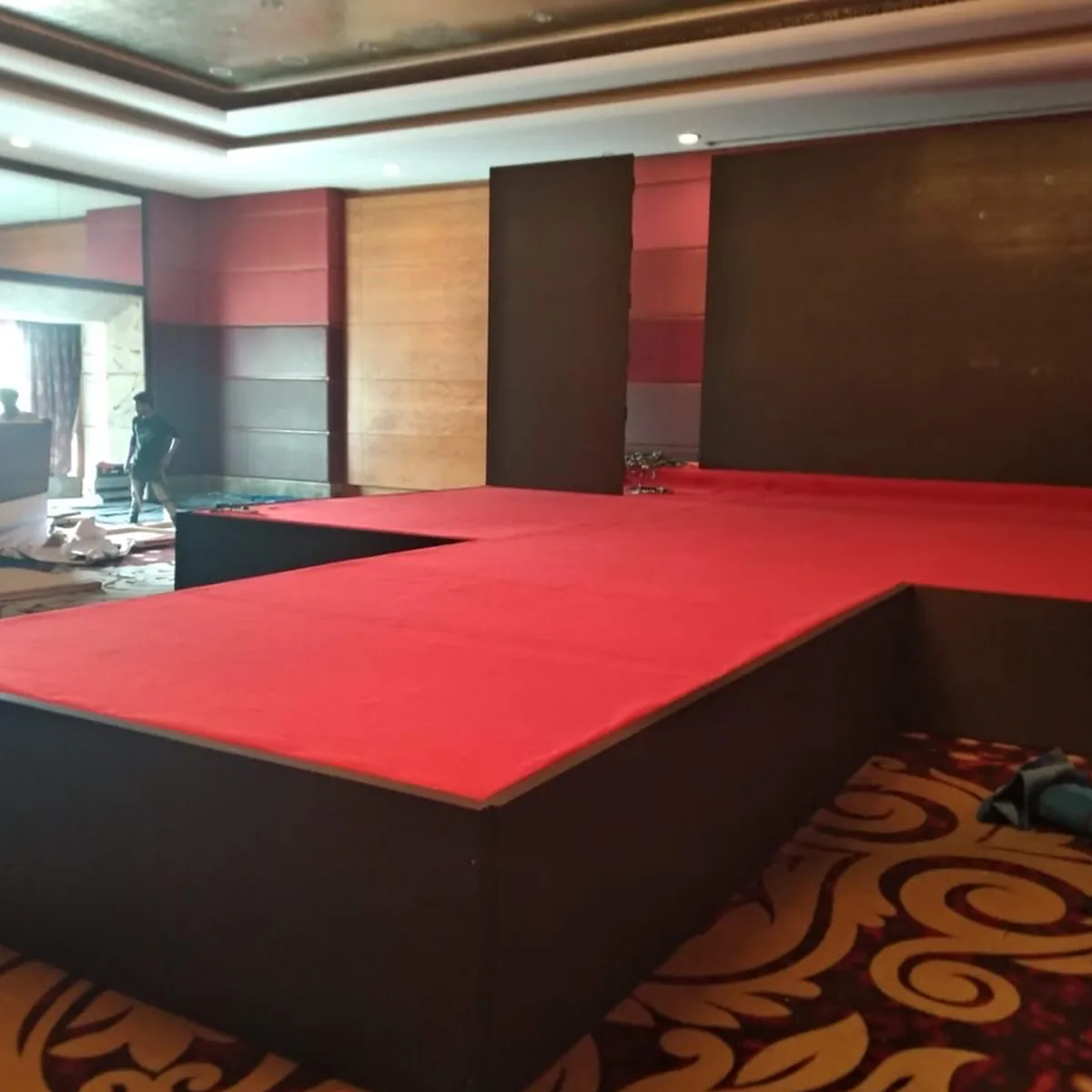
It now lives at the intersection of storytelling, technology, architecture, psychology, logistics, cinema, content creation, public interaction, and cultural understanding. The traditional agency structure was built for campaigns. The future is being built for experiences.
It appears in teaser films, behind the scenes reels, architectural renders, digital invitations, social conversations, artist collaborations, and audience anticipation built weeks in advance. Then after the physical experience ends, the event continues living through photographs, short films, interviews, reactions, media coverage, and online storytelling.
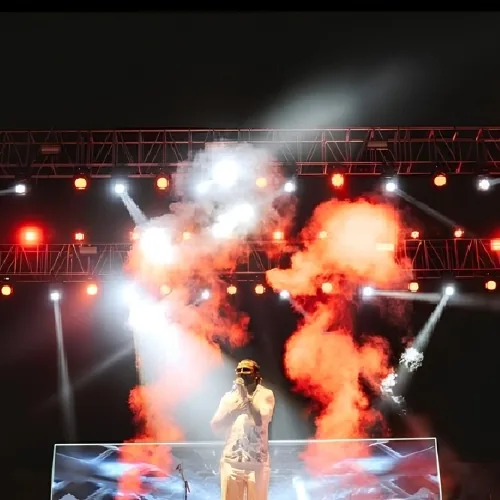
The pause before people enter a space. The moment attention drops inside a presentation. The reason one installation naturally attracts crowds while another gets ignored. The subtle shift in energy when lighting changes, music softens, or conversation becomes comfortable.
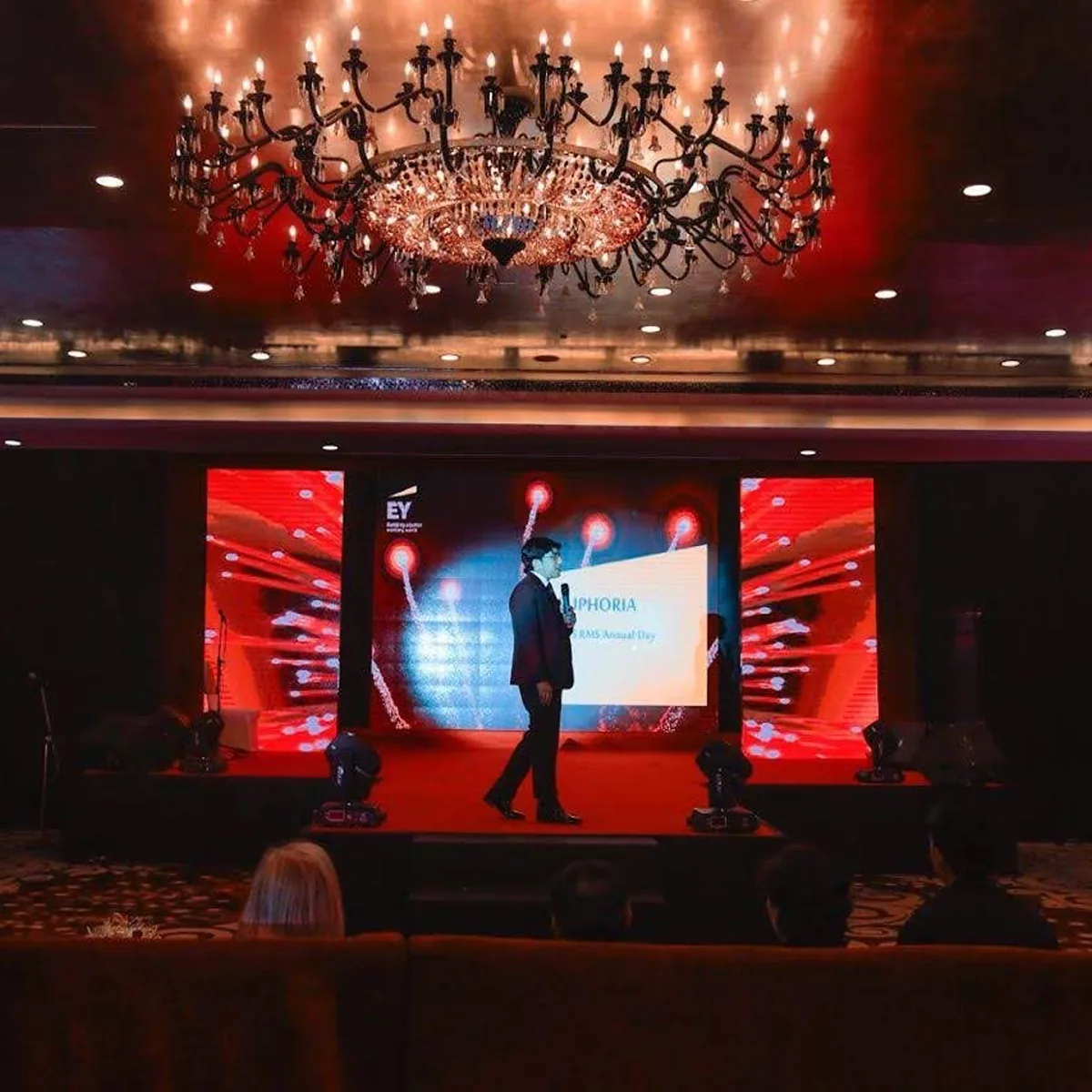
The next breakthrough in audience engagement may come from hospitality. The next revolution in stage storytelling may borrow more from cinema than traditional production design. Even architecture, retail, fashion, and digital culture are now quietly influencing how modern experiential spaces are imagined.
For years, the experiential industry was largely measured by execution. Could the structure be built on time? Could the production scale smoothly? Could the technology function flawlessly under pressure? Execution will always remain essential. But as the industry matures, something more valuable is beginning to separate influential experiential companies from operational ones.
A colour associated with celebration somewhere can symbolize restraint elsewhere. Even the rhythm of a space, how people move, interact, gather, pause, or respond to atmosphere, changes across cultures in ways far more subtle than most brands realize.
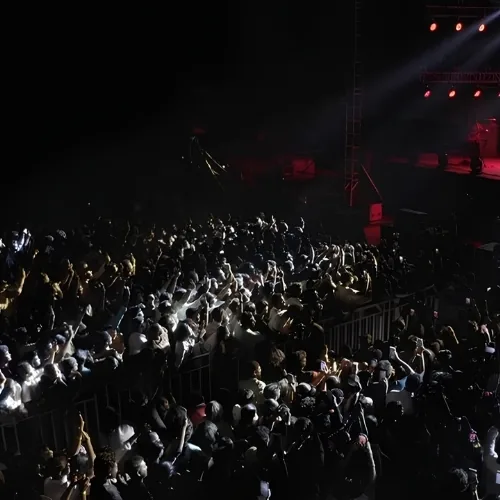
The next breakthrough in events may not come from bigger budgets, larger venues, or newer technology. It may come from someone thinking differently.
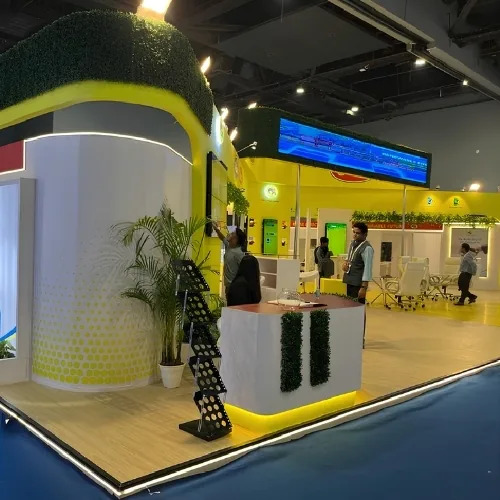
This is becoming one of the biggest questions facing the experiential industry today. Across exhibitions, corporate launches, luxury events, and public activations in the UK, Europe, the USA, the Middle East, and Asia, spaces are becoming visually spectacular while emotionally forgettable.
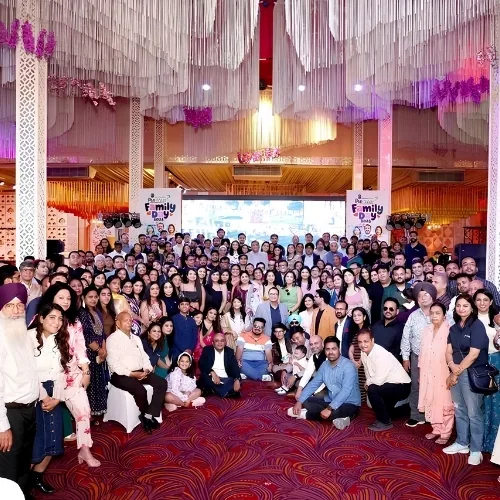
This is the new reality shaping modern experiential culture. Brands today are no longer competing only against each other. They are competing against shortened attention cycles shaped by digital behaviour, endless content consumption, and constant sensory interruption.
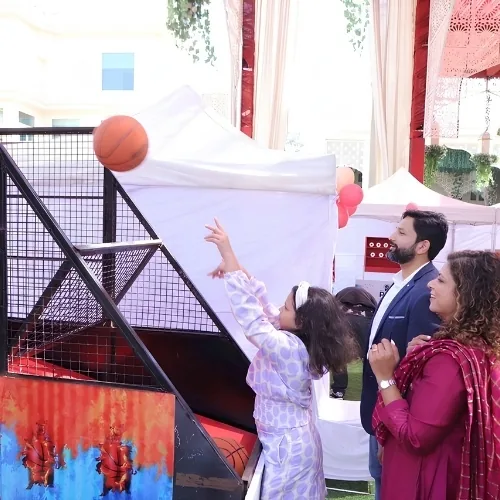
A marathon is not just a race anymore. It is a moving festival of people, emotion, endurance, music, energy, storytelling, and community. What once began as a sporting event has evolved into a large scale experiential ecosystem where every kilometre carries a feeling.
There is design. A single line on a blank screen slowly becomes space, atmosphere, movement, and emotion. This is the power of modern 2D and 3D design within the experiential industry. Today, design is no longer just a presentation tool. It is pre reality.
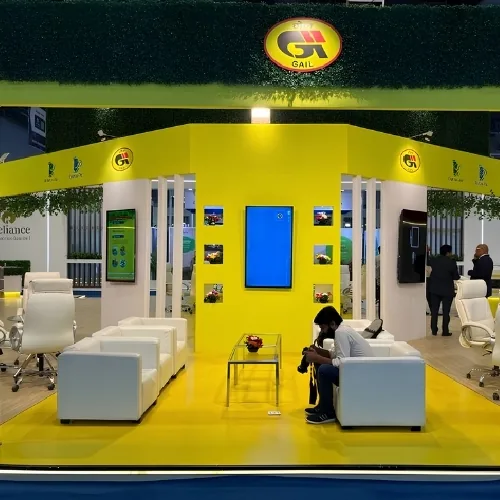
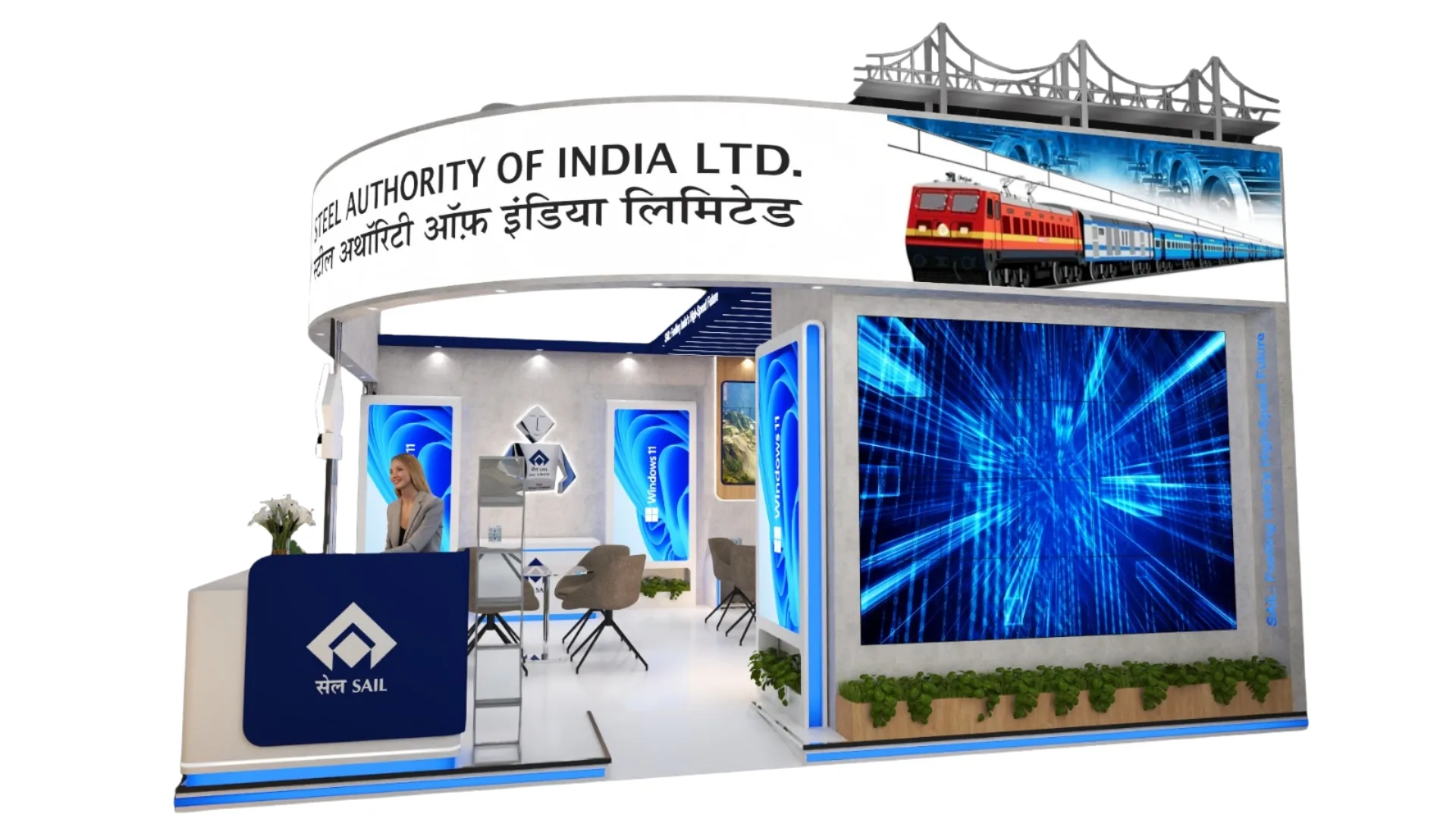
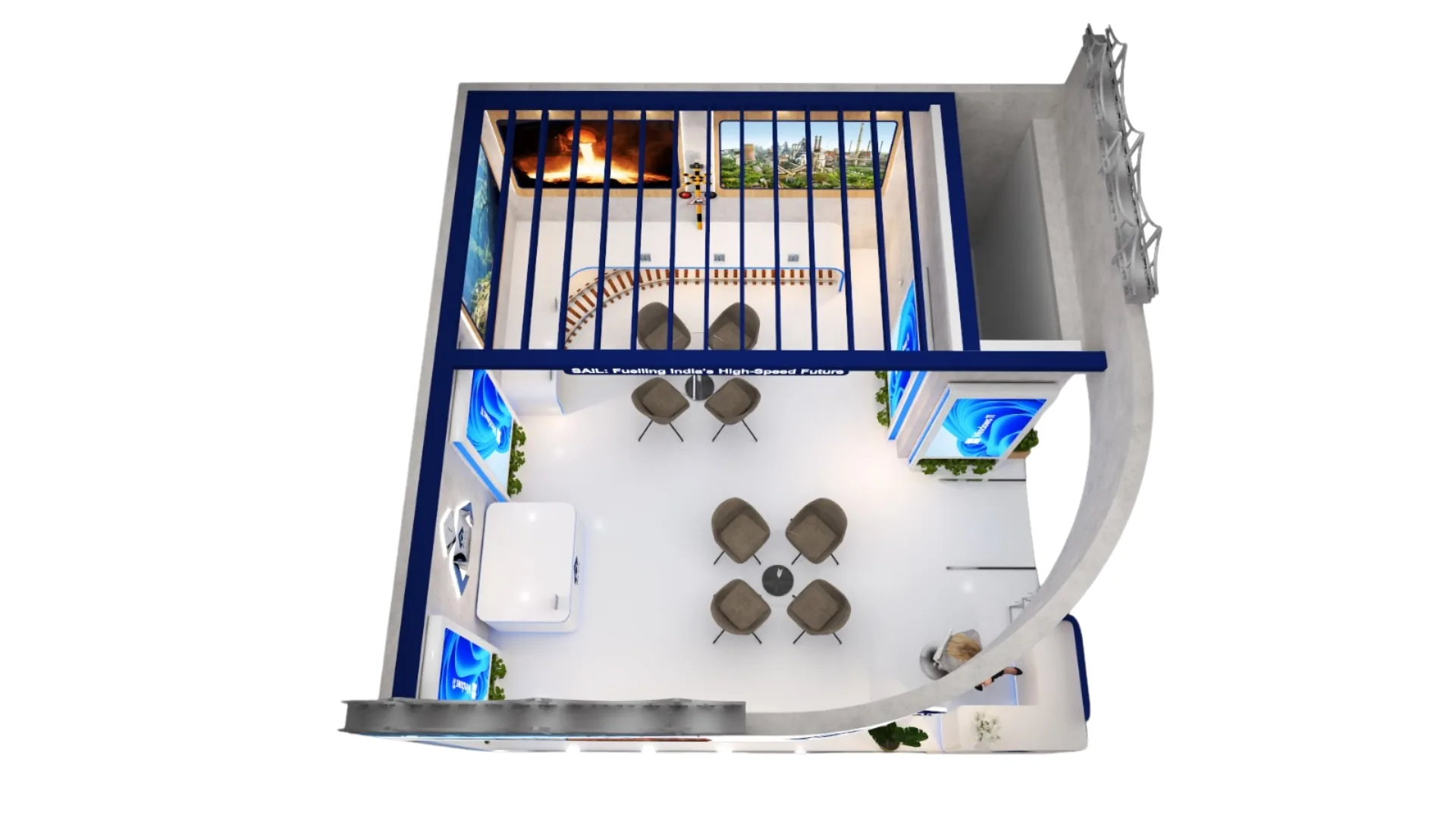
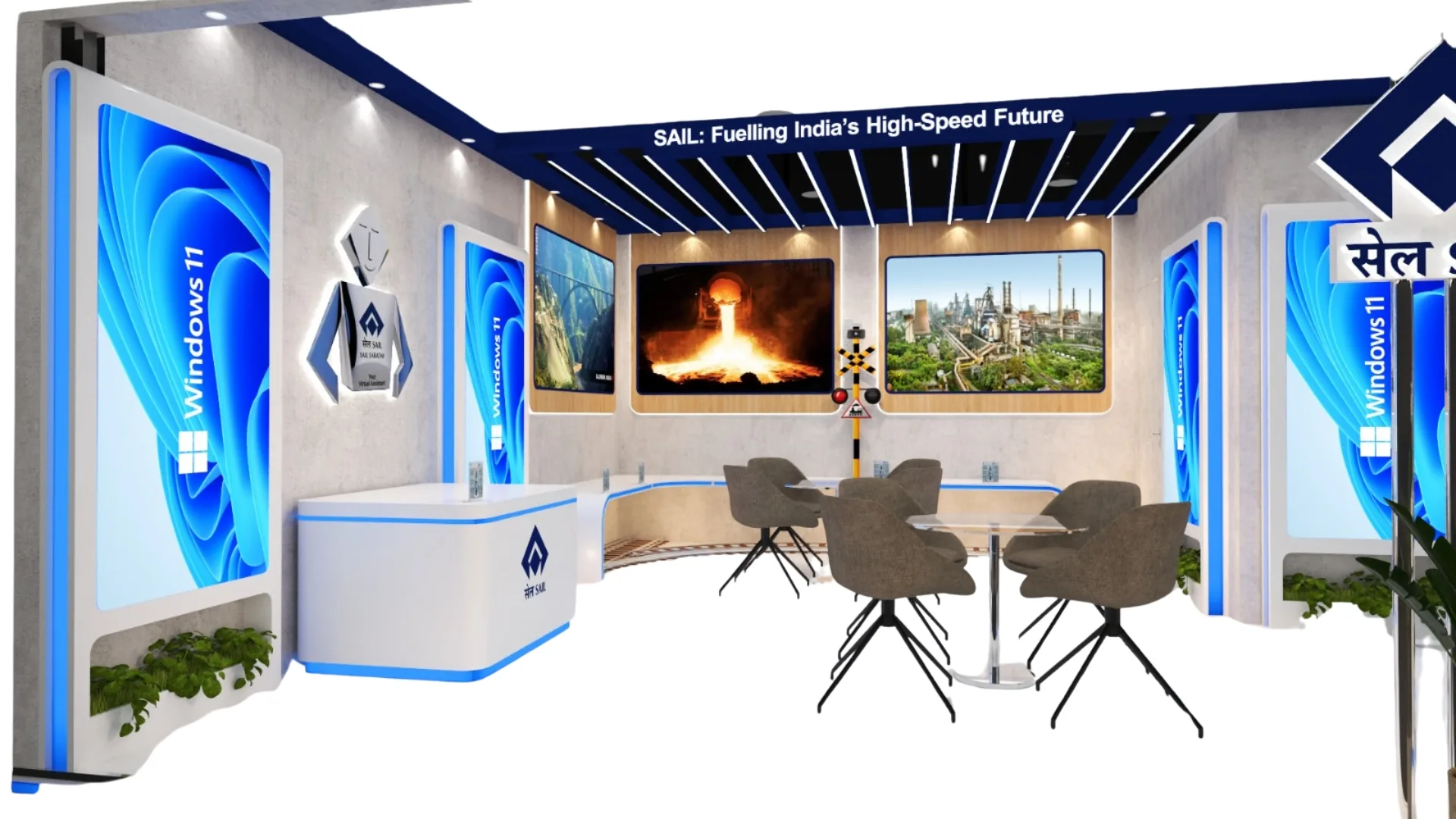
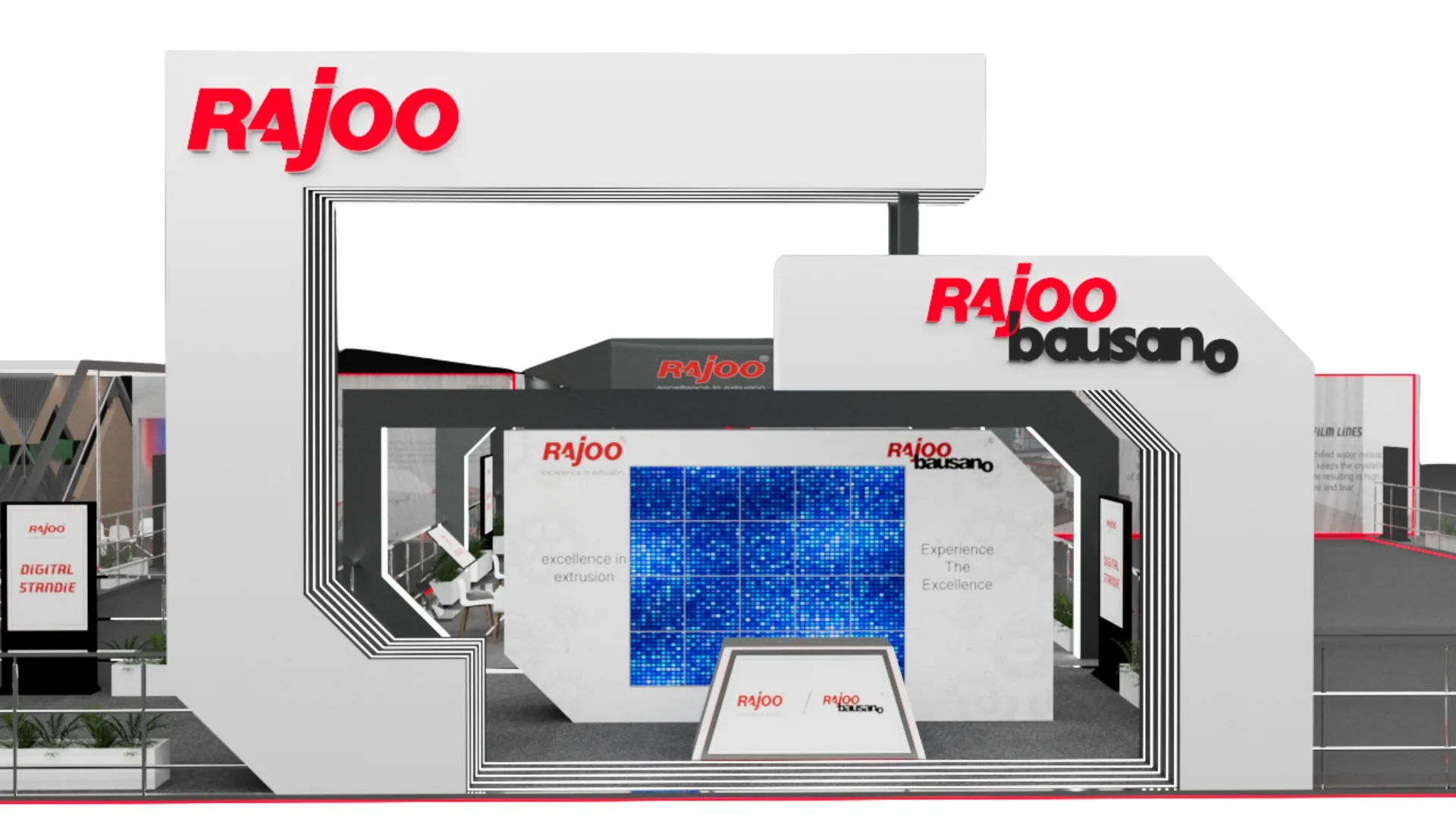
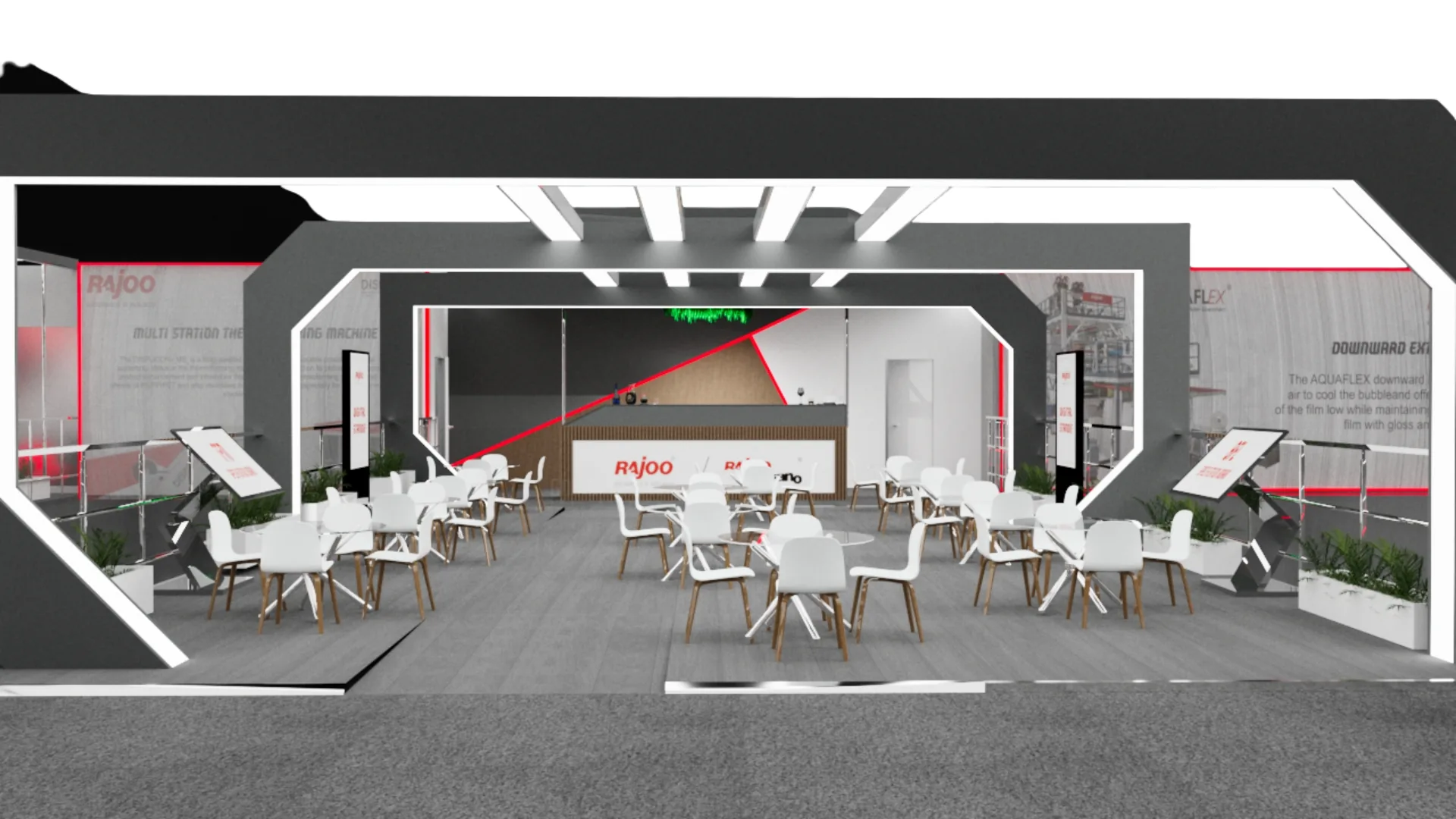
Moving beyond traditional two-side open layouts, large-scale four-side open island stands are redefining visitor flow and immersive brand storytelling...
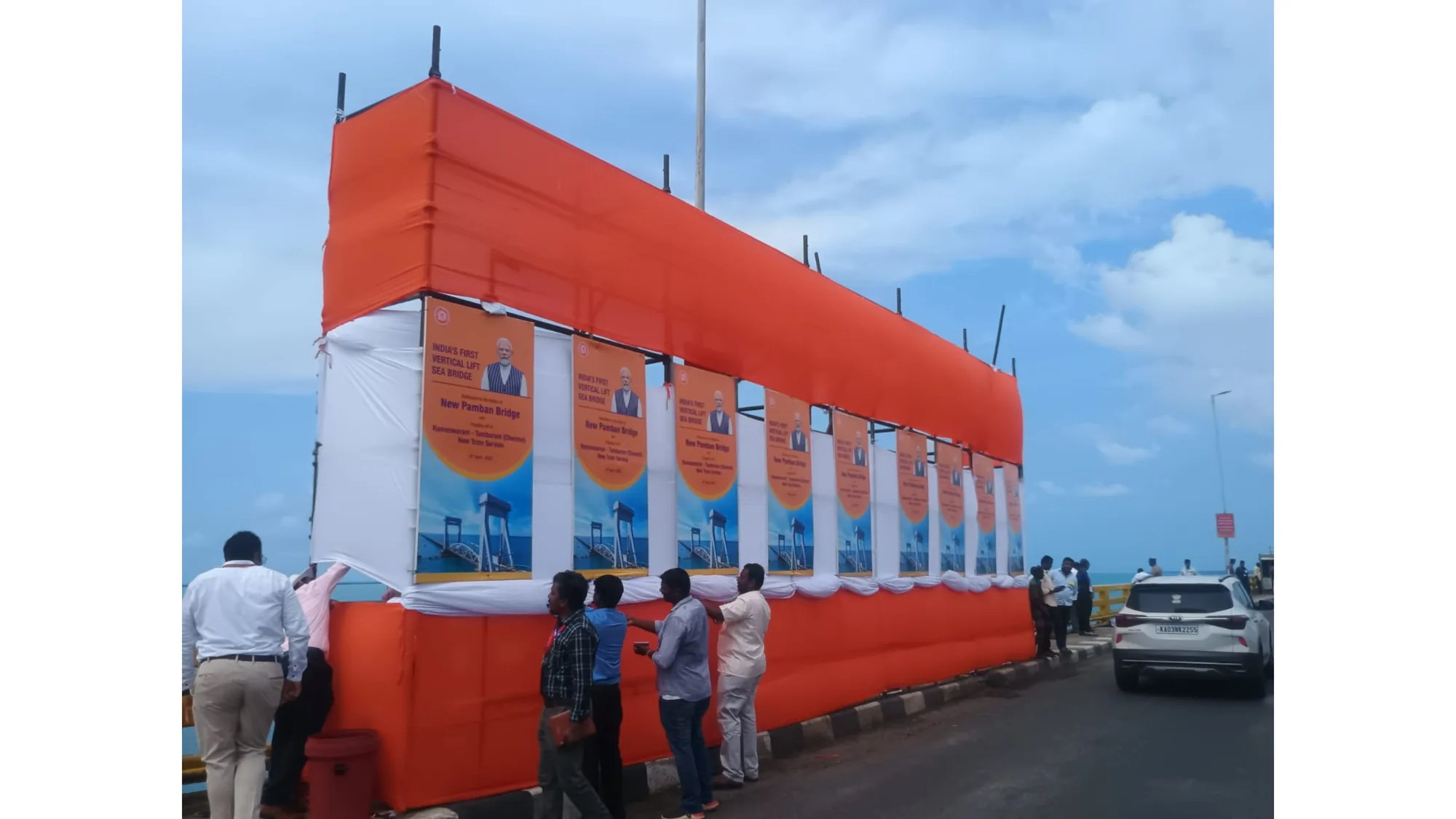
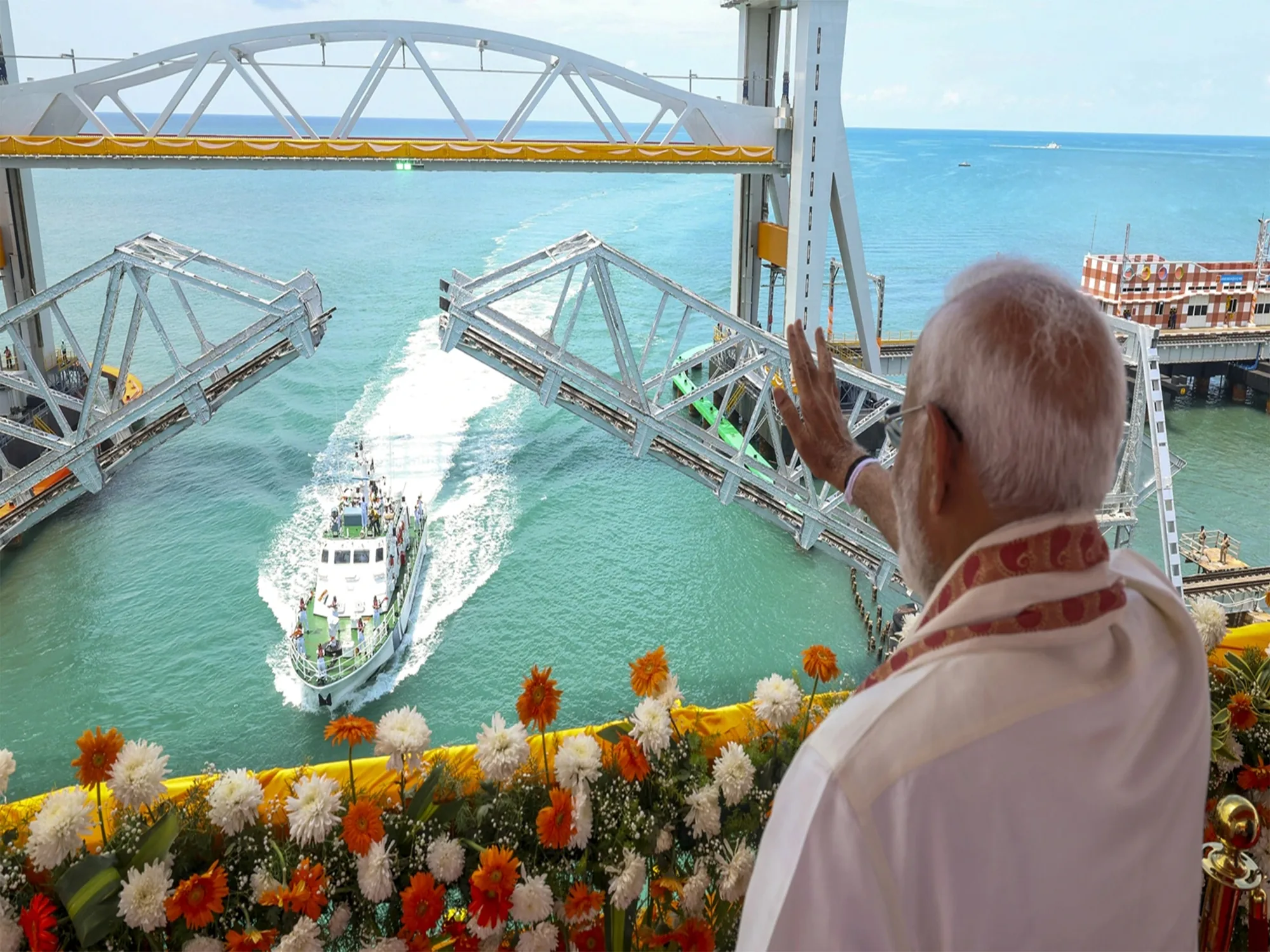
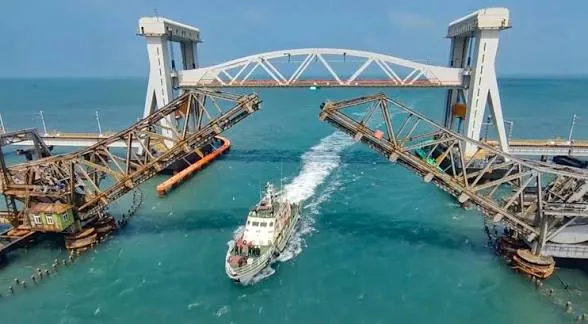
A behind-the-scenes account from Going Highway Entertainers Pvt. Ltd. The moment I stepped onto the Pamban Bridge site, I knew this wasn't going to be an ordinary event...
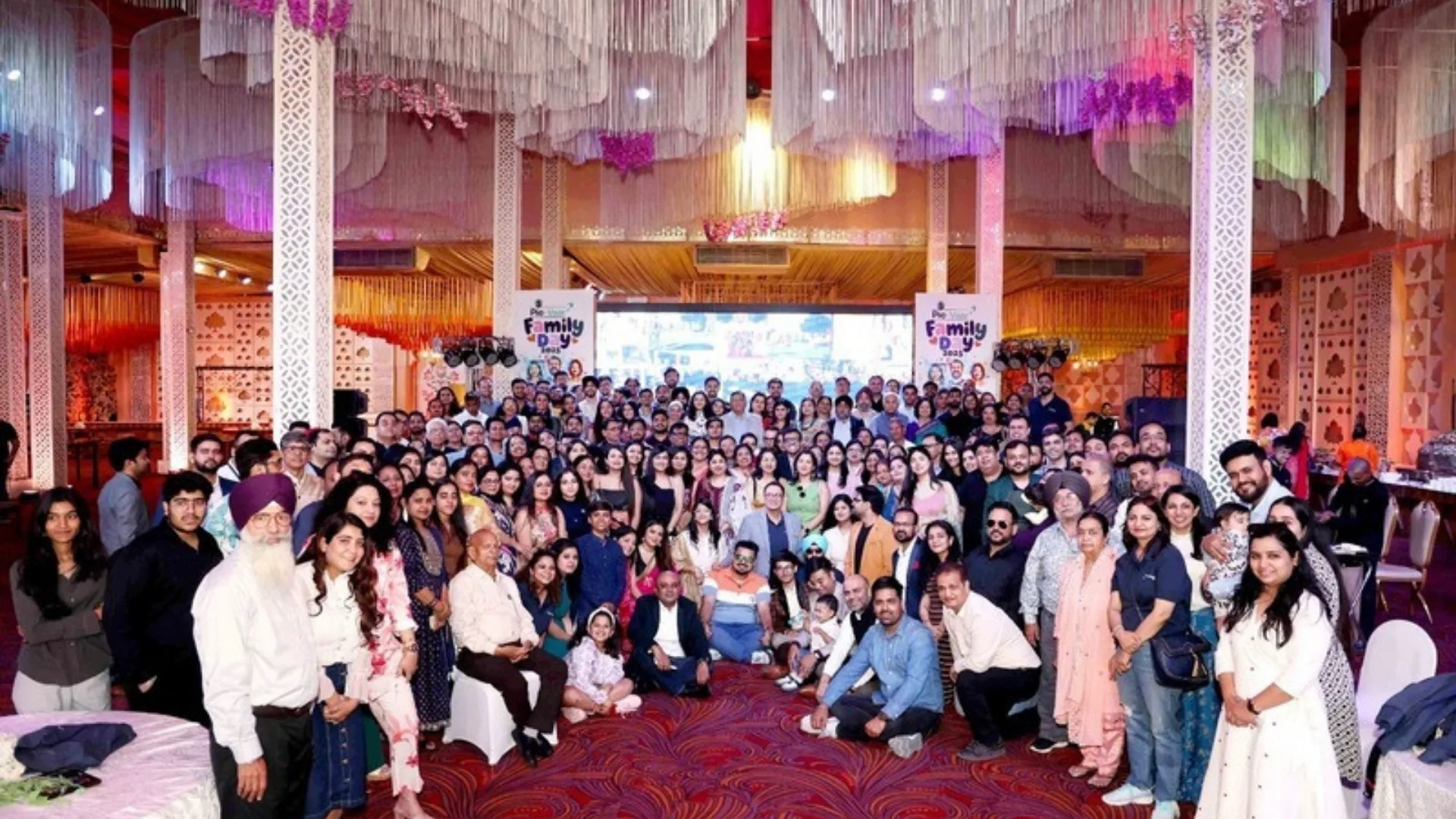
Five hundred people attended. The production was flawless. The photos looked extraordinary. And yet, three months later, the marketing head couldn't point to a single measurable outcome that justified the spend...
The crowd showed up. The venue was at capacity. The social feed looked impressive for 48 hours. And then the quarter closed, and the CFO asked a simple question: what did we get from it?
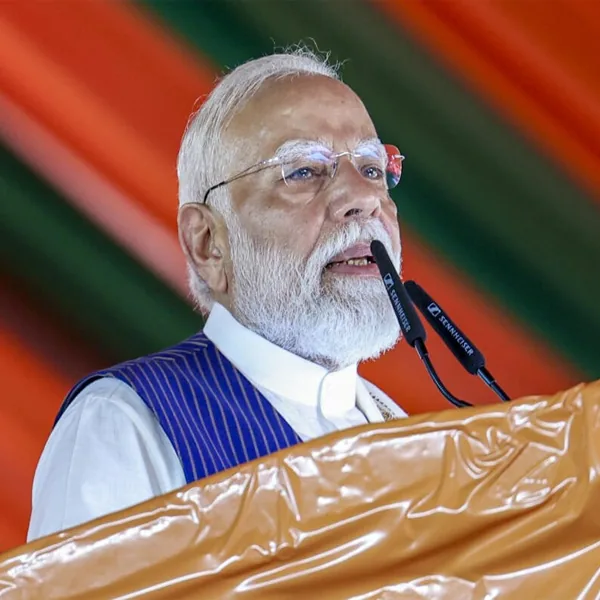
There is a major difference between designing for screens and designing for reality. My first experience working on a Prime Minister-level event completely changed my understanding of what design truly means in high-pressure environments...
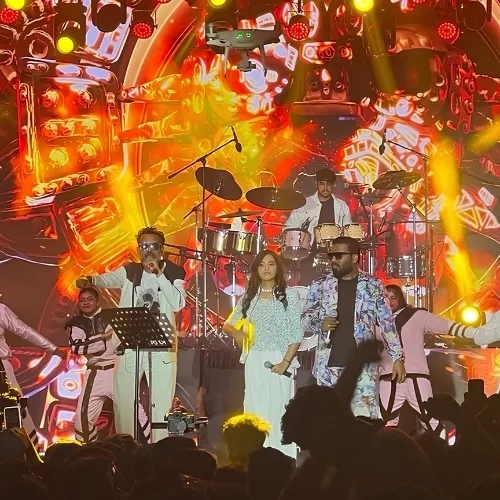
How immersive installations are becoming engines of organic content creation and reshaping modern experiential storytelling.
Why corporate gifting is shifting from merchandise to memory through storytelling, sustainability, and emotional connection.
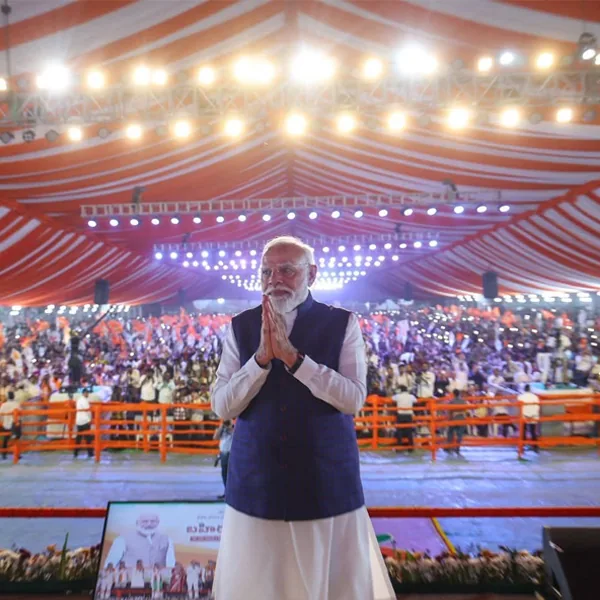
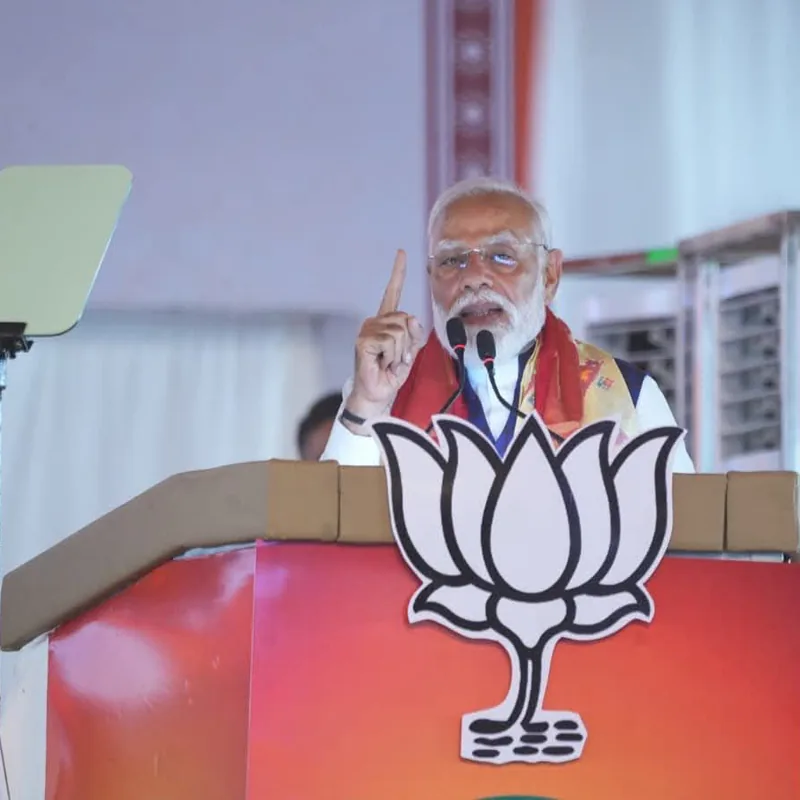
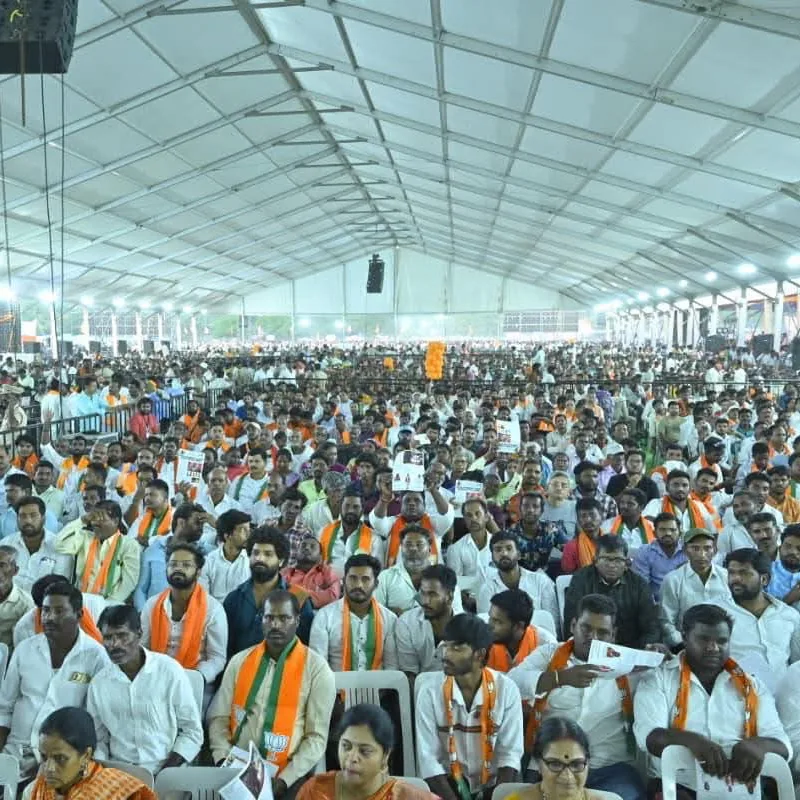
How political and PR events are evolving into immersive cultural experiences driven by emotion, storytelling, and perception.
The rise of experiential public advertising and how brands are transforming static billboards into immersive experiences.
Exploring how 2D and 3D visualization is redefining experiential design before spaces physically exist.
Why marathons are becoming immersive human experiences blending sport, storytelling, wellness, and community.
How sustainability is reshaping exhibitions through conscious design, reusable systems, and responsible experiences.
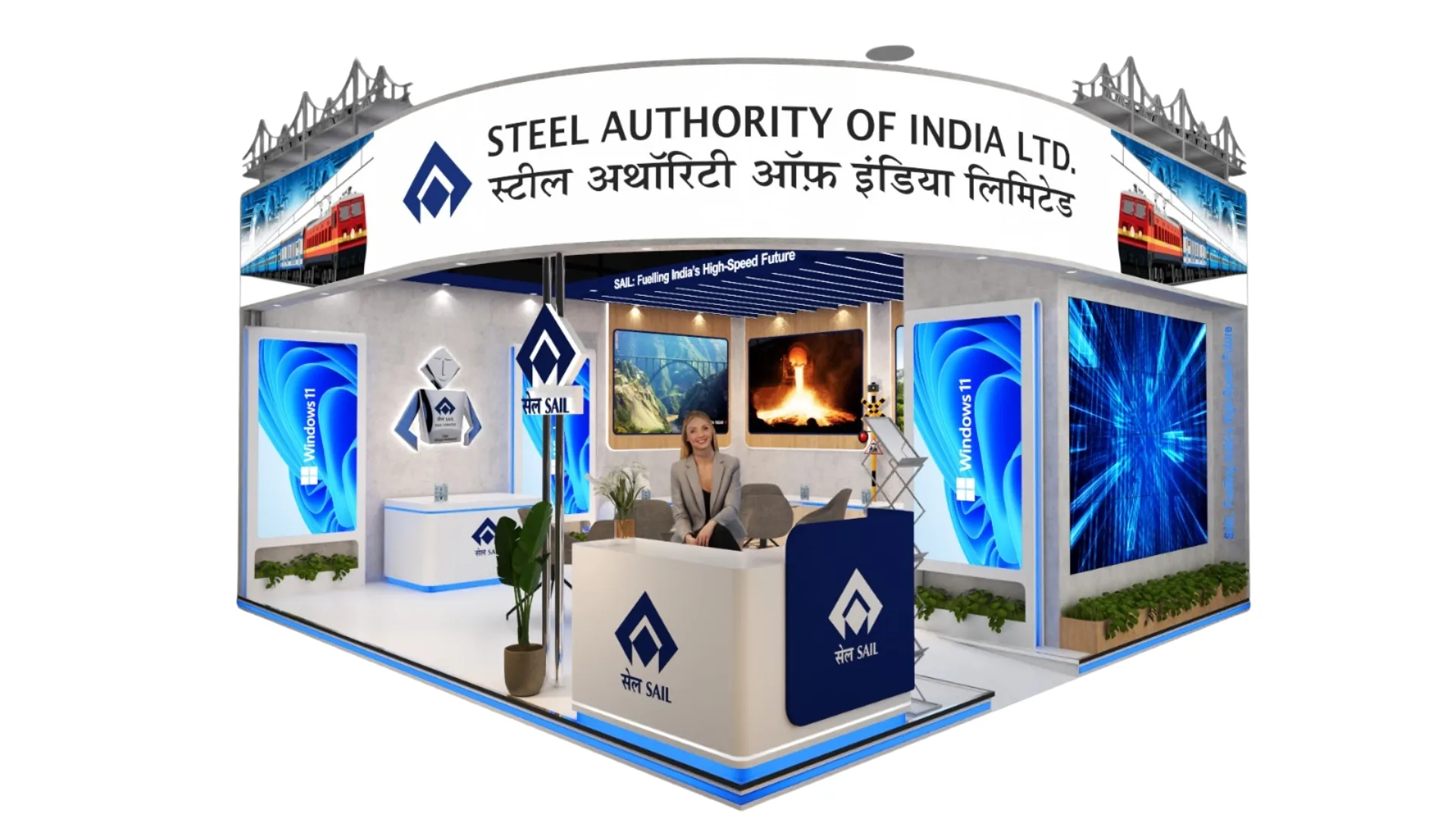
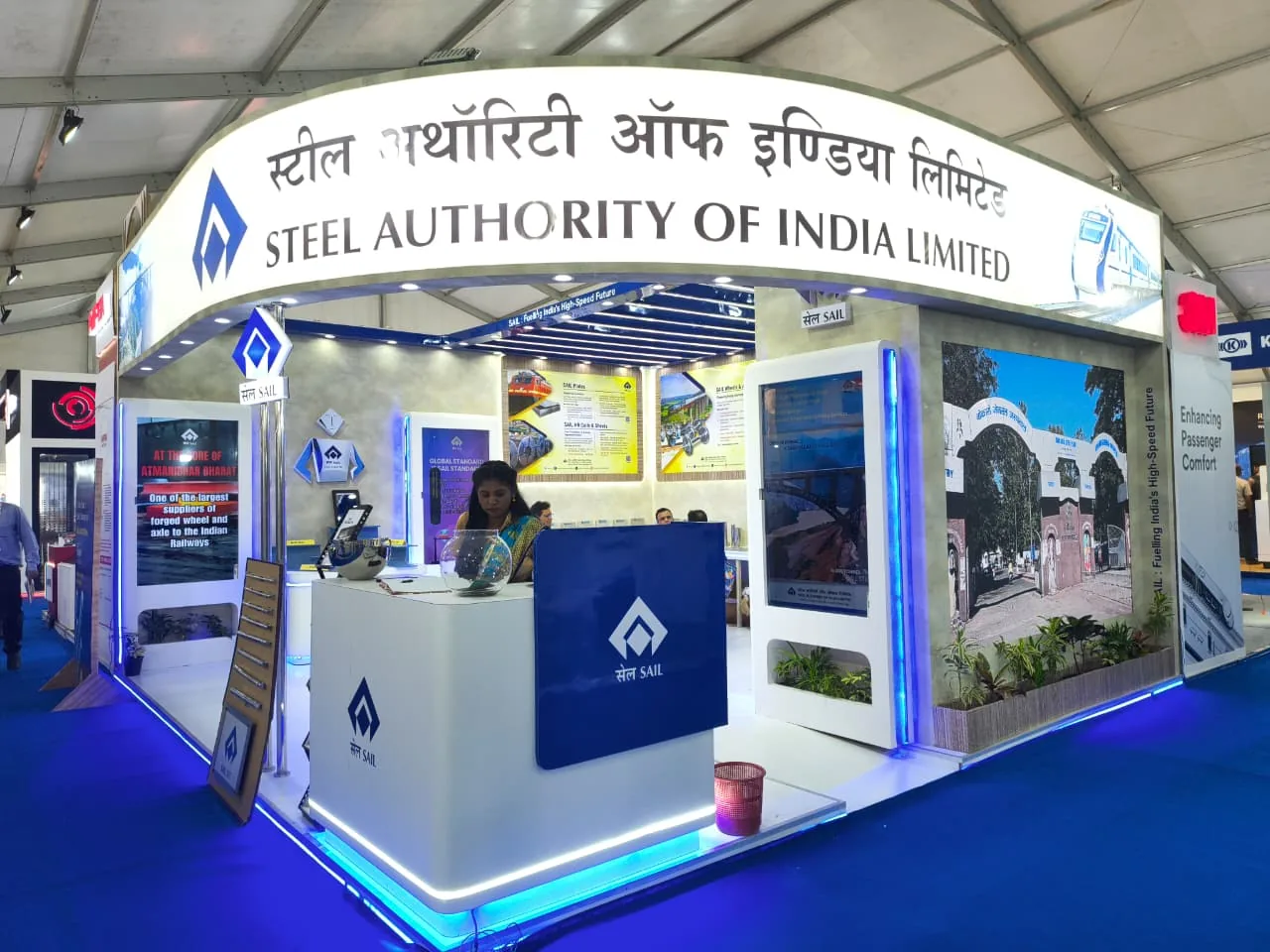
Why compact exhibition booths are creating some of the most memorable brand experiences today.
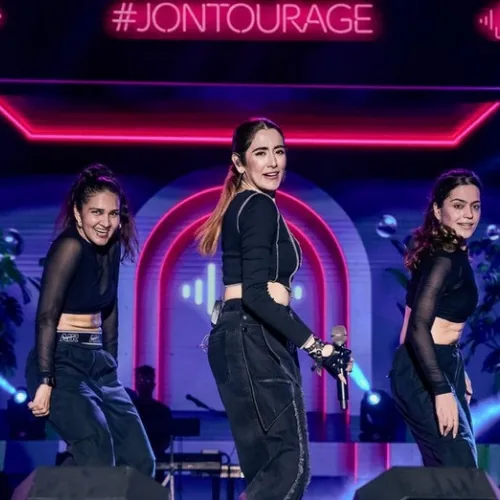
Why modern audiences now seek immersive exhibition experiences instead of printed communication.
How brands can rethink experiential presence at one of the world’s most influential aerospace exhibitions.
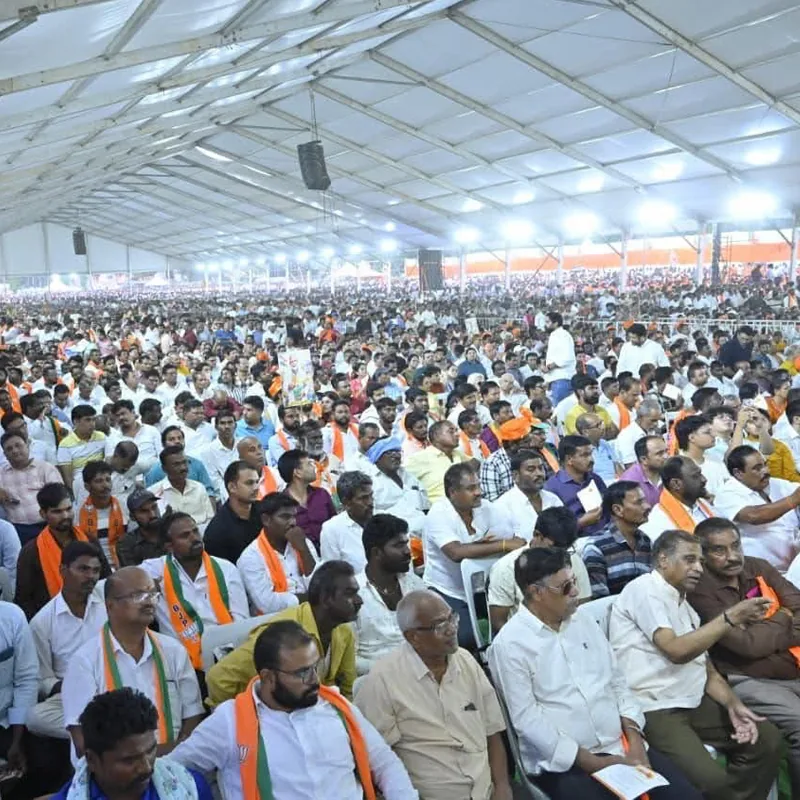
Why Founder’s Day is evolving into an emotionally driven cultural milestone for organisations.
How perceptual art and spatial psychology are transforming environments into emotional experiences.
Why the future of branding lies in connected ecosystems spanning physical and digital touchpoints.
The rise of sensory-driven corporate experiences built around emotion, immersion, and memory.
Why silence, scale, and restraint are becoming powerful tools in experiential design.
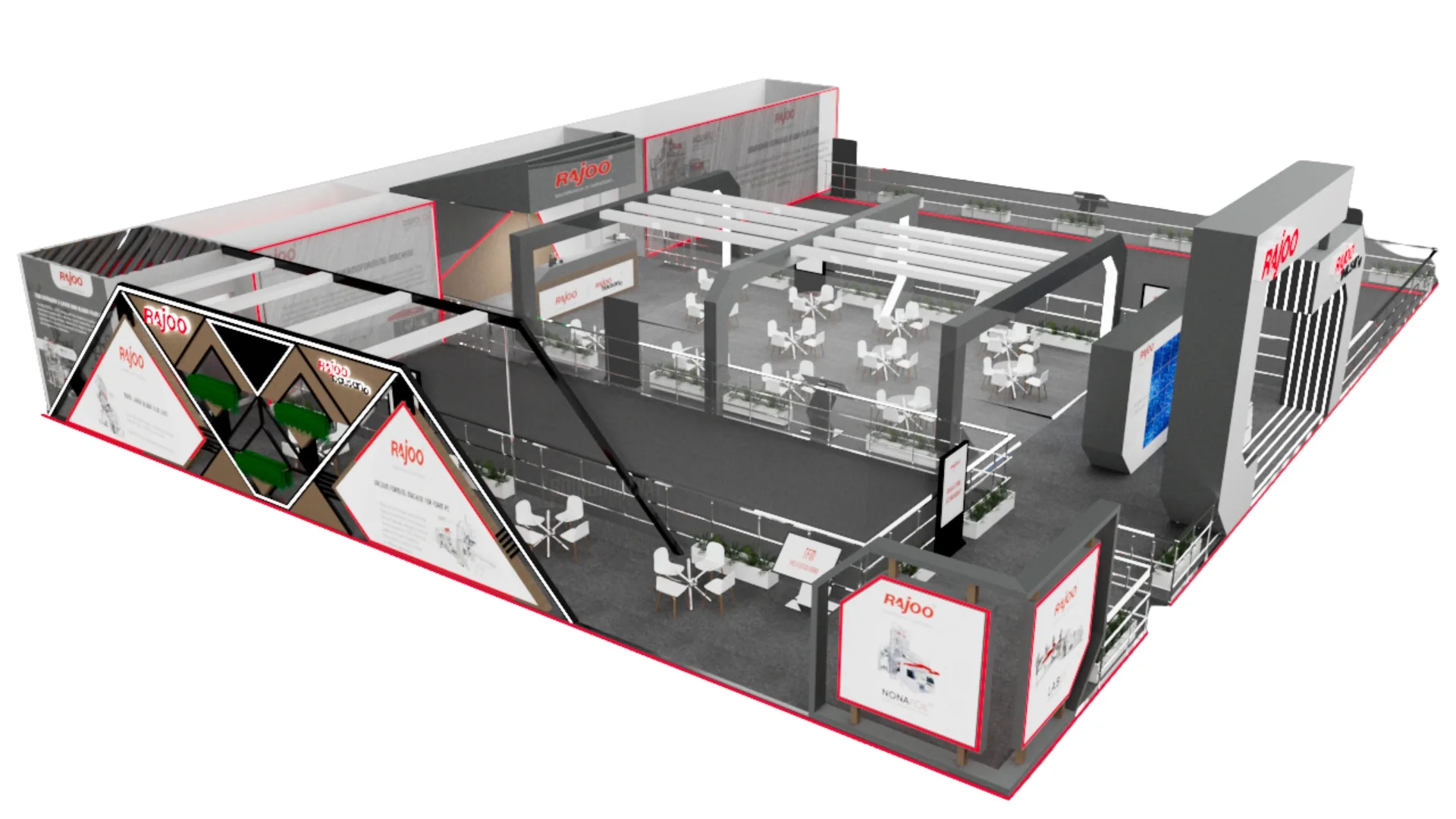
Why audiences now prefer immersive emotional experiences over staged photo moments.
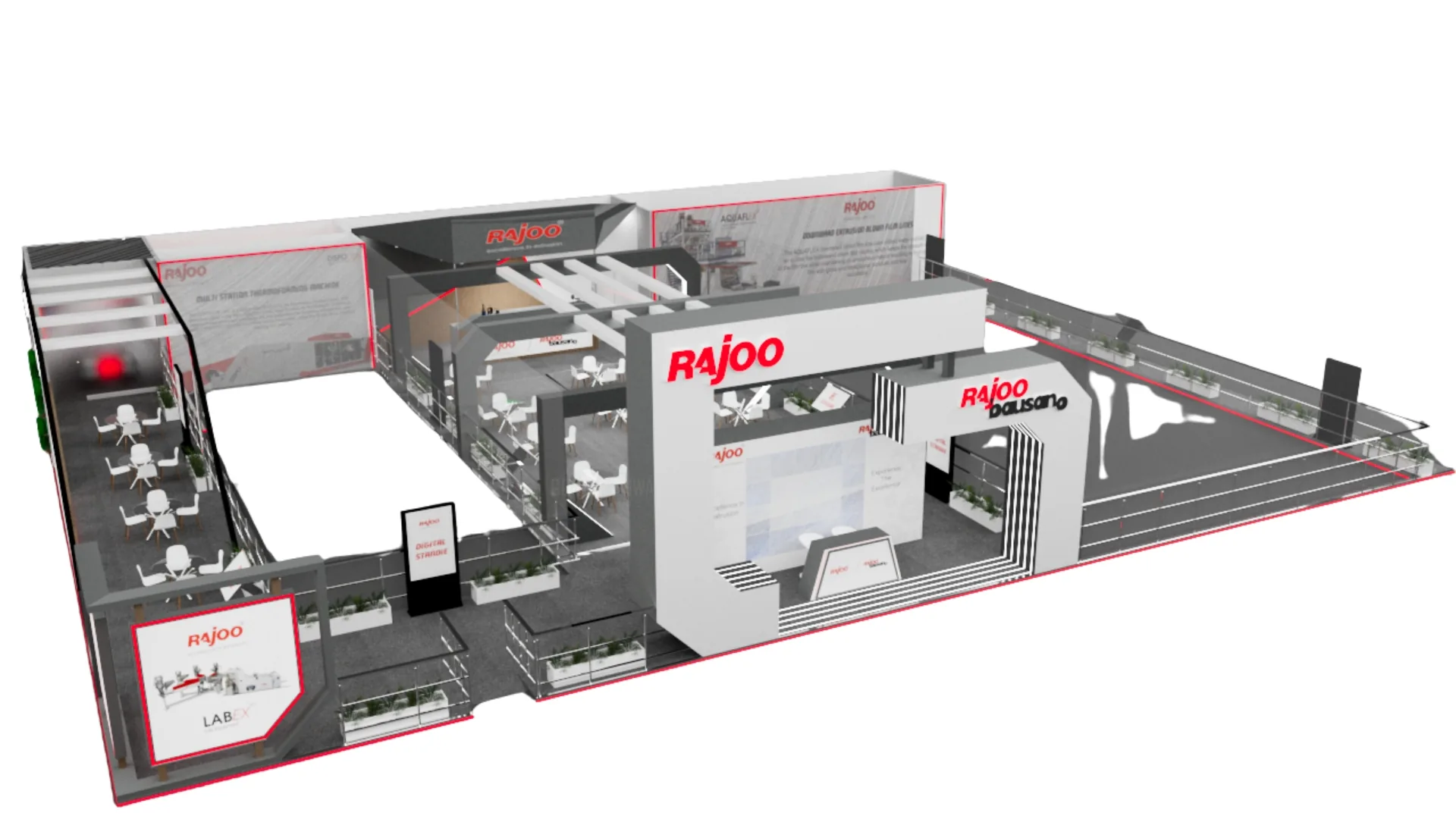
We live in a world where experiences are consumed twice. First in the moment.
The strategists, designers, and directors behind Going Highway's insights.
Creative Head shaping the vision behind Going Highway’s large-scale live experiences and immersive environments.

Designs the visuals and builds the digital experiences that bring the Going Highway brand to life.
Obsessed with flawless execution and the details audiences never forget.
Builds the partnerships and key accounts that power Going Highway’s biggest experiences.
Get our latest thinking on experiences, technology, and brand storytelling, straight to your inbox.
Don't just follow industry trends-set them. Let our team of specialized engineers and creatives build a strategy that puts your brand at the forefront of global engagement.